

Product details
79,00 €
SKU: PB-2092
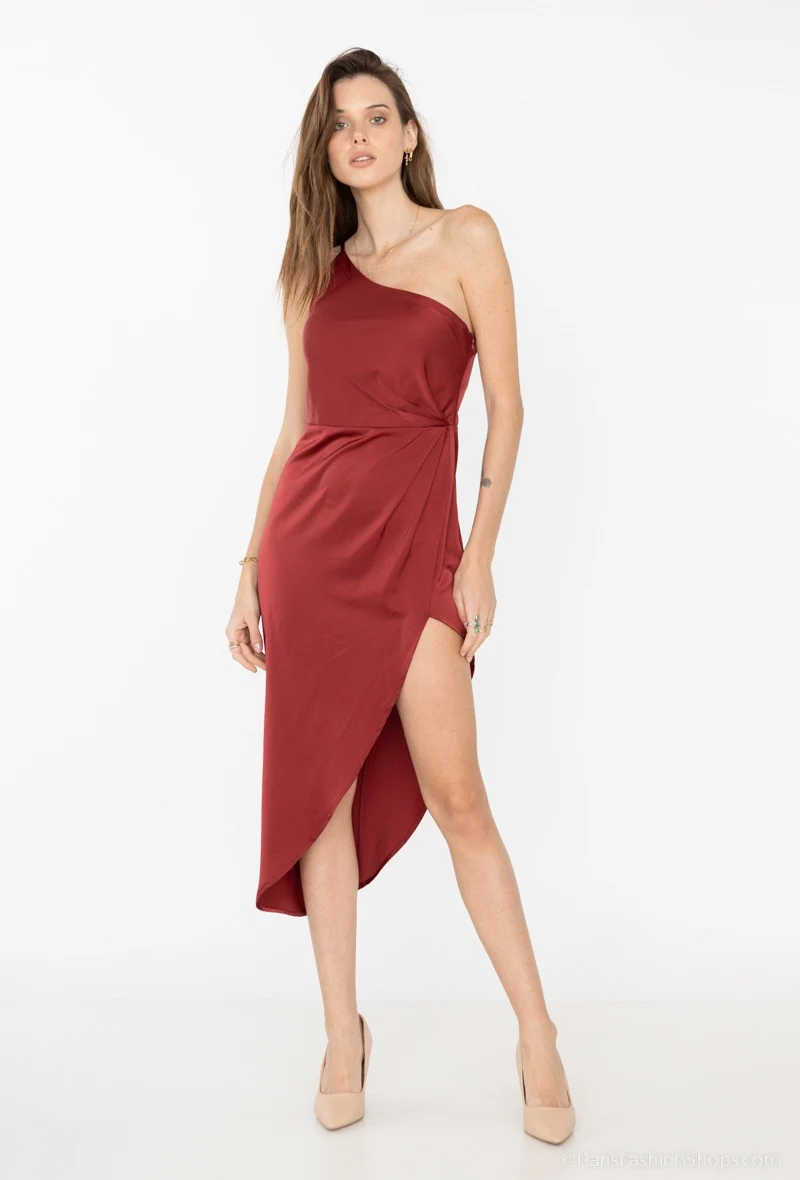
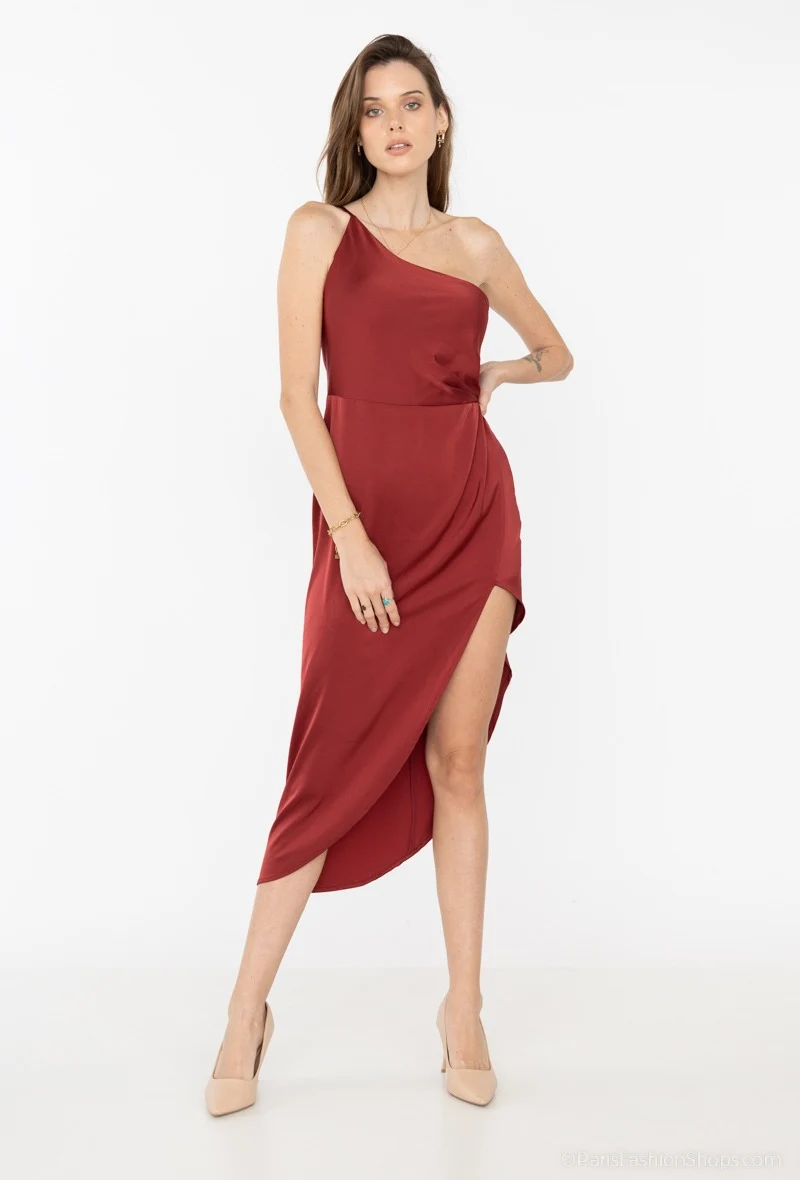
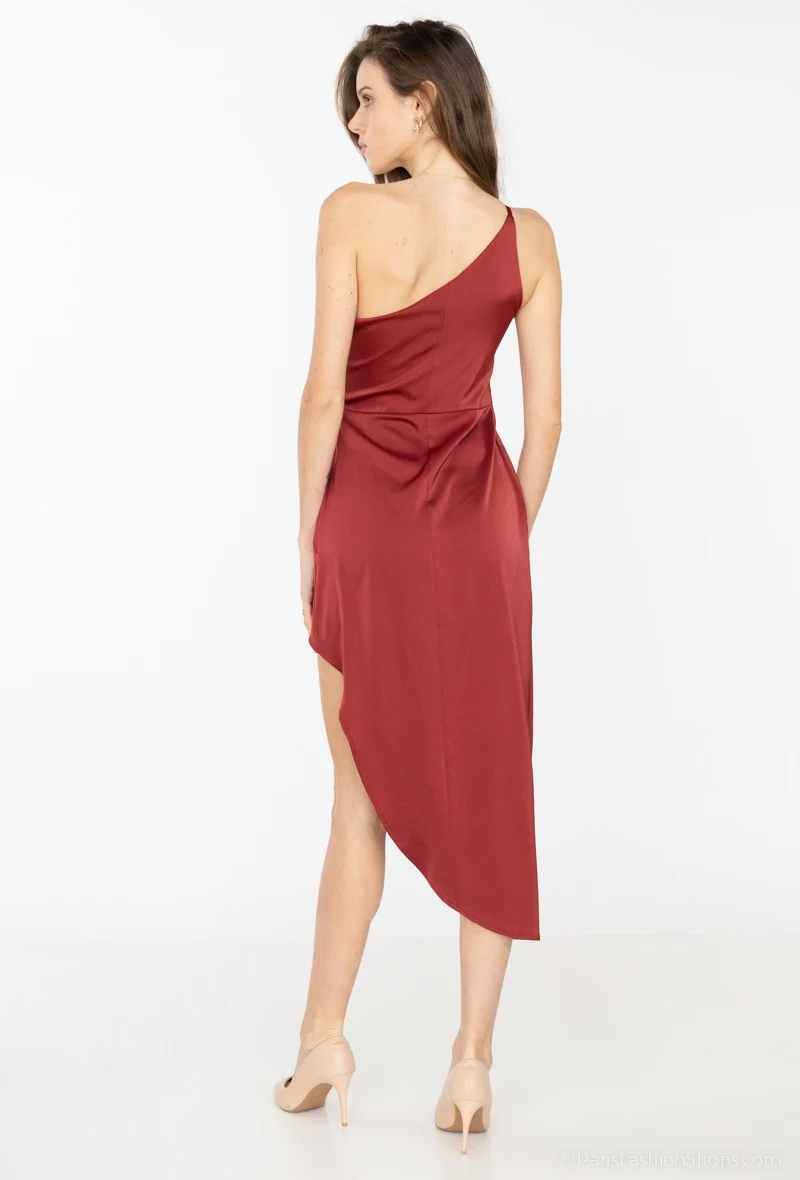
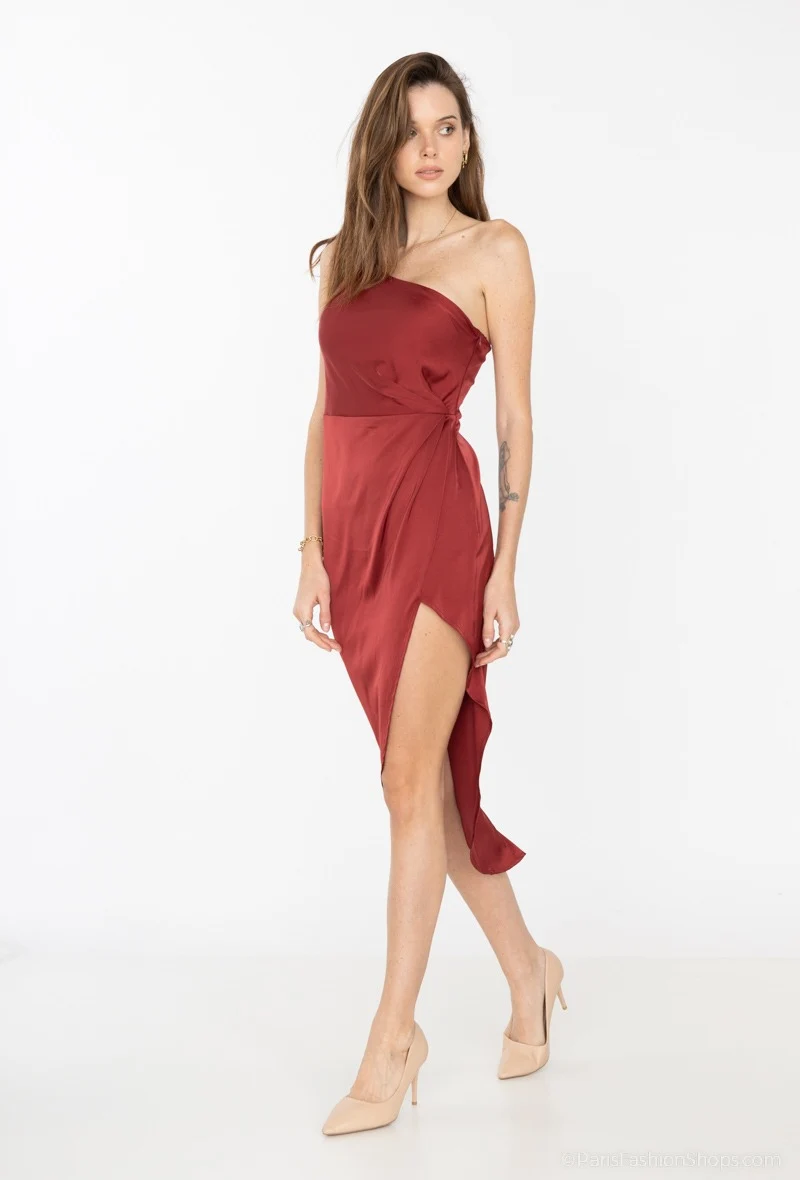
Midi lengte jurkje met een brede schouderbandje, slim fit feestjurk, heeft een asymmetrische halslijn, een flatterende taille met een discrete rits aan de achterkant, een kniehoge split high low rokje

 , bruiloftsgasten of bruidsmeiden, trendy gelegenheidskleding in alle kleuren en maten, ontdekt brede collectie stijlvolle bovenlichaam kleedjes bij Pink Boom Paris, keuze van dagdagelijks gebruikt vrouwen kleedjes, budget prijs uitgaansjurkjes, vind aparte kledingstuk de perfect bij je figuurtype, beroemd merk, fabrikant van kleurrijke japonnen van hoge kwaliteit stof, top style kleedjes de toont je vrouwelijke kant, bekijk online catalogus
 High low feestjurkje
Midi lengte feestjurkje, nauwsluitend lijfje met asymmetrische halslijn, heeft één brede schouderbandje, de andere schouder is open, met verborgen rits in de rugnaad, flatterende taille, kniehoge rok met split en hoge lage rokje, trendy cocktailjurkje van polyester, keuze uit S / M / L
Pasvorm: getailleerd
Materiaal voering: satijn
Halslijn: asymmetrische halslijn
Mode: hoge lage rok
Details: kniehoge split
Mouwlengte: mouwloos kledingstuk
Materiaal buitenlaag: stretch polyester
Wasvoorschriften: niet in de wasmachine wassen, niet in de droger, alleen chemisch reinigen
Eenheden in doosje 1
 Dresses were made snug by featuring slits on the sides of the dress that were pulled tight in order to fit a woman's figure. Starting in the 1550s, middle- and upper-class women in Europe wore dresses which included a smock, stays, kirtle, gown, forepart, sleeves, ruff and a partlet. Undergarments were not worn underneath. In England, Queen Elizabeth dictated what kinds of dresses women were allowed to wear. French women were inspired by Spanish-style bodices and also wore ruffs. French dresses were known as marlottes. In Italy, dresses were known as ropa and semarra. Dresses in the 16th century also displayed surface decoration such as embroidery, with blackwork being especially popular. Women's dresses in Russia during both the 16th and 17th centuries identified a woman's place in society or their family. Holland, as a center of textile production, was a particularly noted area of innovation in dress fashion during the 17th Century. In Spain and Portugal, women wore stomachers while in England and France, dresses became more "naturally" shaped. Lace and slashing were popular decorations. Skirts were full, with regular folds and the overskirt allowed the display of an underskirt of contrasting fabric. Necklines became lower as well. Embroidery that