











Mode
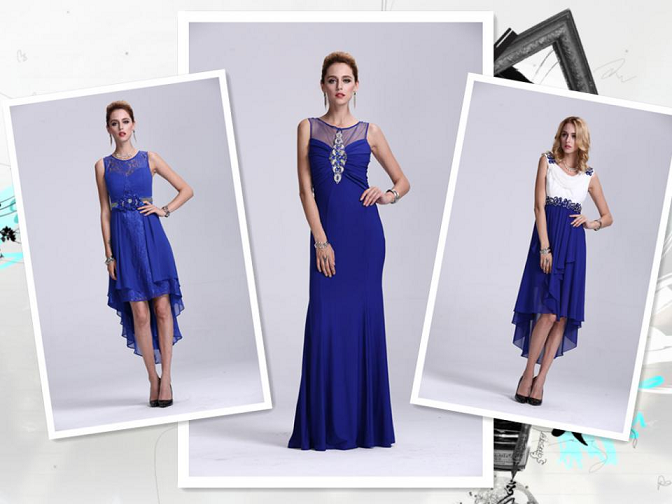
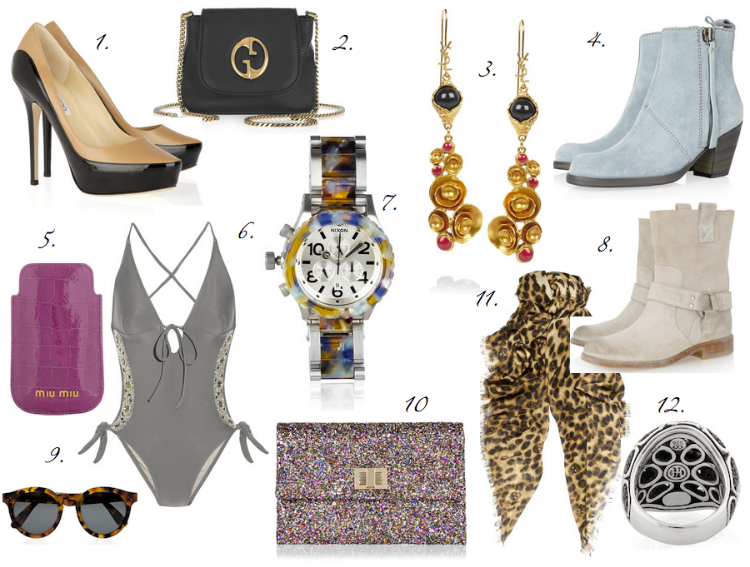
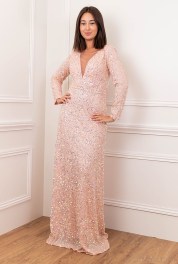
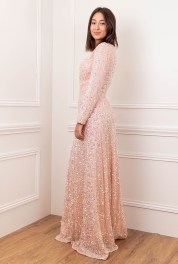
Hoe we mode waarnemen, is een weergave van hoe we onszelf zien, het is een inzicht in de geest van de drager. Een intentieverklaring, hoe u wordt waargenomen, is meestal hoe u wordt ontvangen. "In de mode zijn" betekent dat een verschijnsel op een bepaald moment aantrekkelijk wordt gevonden. In het bestand verschillende kledingstijlen, lees je informatie over de volgende stijlen. Klassiek stijl- De klassieke stijl staat voor tijdloze elegantie en verfijning....
Bohemien stijl - De bohemien stijl, ook wel boho genoemd, is geïnspireerd door een vrije, creatieve levensstijl....
Casual stijl - casual chic en basic, vrijetijdskleding
Urban stijl - de urban look, chick, street style, rock en grunge,
Trendy stijl – de Cosmopolitan, edgy
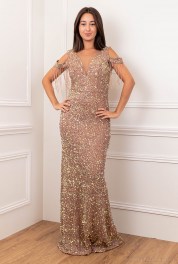
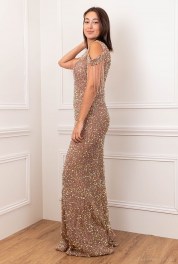
Diva – Femme fatale, flamboyant
Creatief stijl – arty en retro stijl. Mode komt niet alleen bij kleding voor. Ook de manier waarop bijvoorbeeld huizen worden gebouwd en ingericht is onderhevig aan mode. In de architectuur wordt dit een stijl genoemd. Een trend is een ontwikkeling van een bepaalde richting op langere termijn. Trends worden vaak...