

Fashion
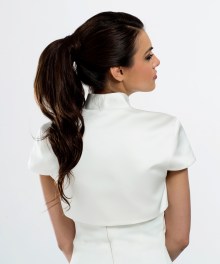
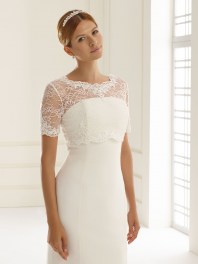
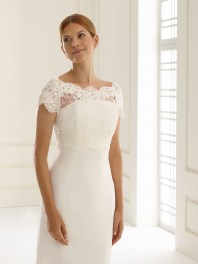
How we perceive fashion, is a representation of how we see ourselves. It is an insight into the mind of the wearer. A statement of intent. How you are perceived is usually how you are received. It is with this mindset that we as a small independent company are tailoring our vision into grand implementations for our clientele. Our menswear line, oozes with uniqueness. It appeals to your self worth. We try to make sure that what we offer is unique to you. Our line features clothing in all flavors with a mindset that is distinct to niche tastes. Everyone wants to feel special. We go a step further. WE ENSURE IT. Fashion for us should be seamless, stylish and an embodiment of satisfaction. A force of attraction that is the wearer’s to own and exude. A calling, a magnetism so strong it must be owned to be curtailed. We have here, a collection, yours to own. Take a gander and be rewarded.Your outfitting sense speaks a great deal about your social image. We all enjoy compliments & acknowledgement our outfit, especially from colleagues and acquaintances. Usually, women tend to be more keen on choice of clothing outfit compared to males. Every woman has distinct body features, height, configuration, as a result it is essential to chose outfit that compliments and enhance your distinct figure, that is style. One should not really stick to popular trends blindly, due concern of social trends. By...