

.jpg)
.jpg)
.jpg)
Product details
139,00 €
SKU: AV-DEMI
Bridal shoes, lace with soft padding, high heels with soft foam sol for extra wear comfort, fine quality footwear, completes your bridal attire in style

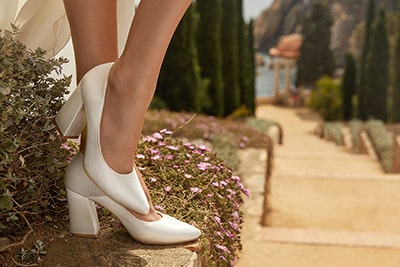 , open toes or covered toes, Avalia is renowned designer of top notch stiletto shoes with adjustable ankle band, view our selection of pumps, bespoken cobblers from Berlin, top EU brand, using latest technology, innovative & synthetic fabric to push the boundary in footwear, comfortable wear shoes from breathable material, extra soft gel soles, discover gloss satin top high heels with ankle band, floral lace top with replica leather padding, see here online selection of court shoes, summer wear party footwear, designer quality pumps, renowned women fashion
 Bridal lace shoes
Floral lace bridal shoes, 7 cm high heels with closed toes, open ankle with extra soft foam sole, wedding party footwear, high quality bridal pumps for bride, designer footwear, comfortable slip wear shoes with soft padding, designed by top EU cobblers, choice of 36, 37, 38, 39, 40, 41, completes your wedding garments with matching footwears
Caution:briadal shoes sizes are smaller than regular ones
Material inner lining:soft satin lining
Material outer layer: floral lace
Heels hight: 7 cm high heels
Material sol: synthetic foam
Type of closure: slip wear
Eenheden in doos: 2
 Dresses were made snug by featuring slits on the sides of the dress that were pulled tight in order to fit a woman's figure. Starting in the 1550s, middle- and upper-class women in Europe wore dresses which included a smock, stays, kirtle, gown, forepart, sleeves, ruff and a partlet. Undergarments were not worn underneath. In England, Queen Elizabeth dictated what kinds of dresses women were allowed to wear. French women were inspired by Spanish-style bodices and also wore ruffs. French dresses were known as marlottes. In Italy, dresses were known as ropa and semarra. Dresses in the 16th century also displayed surface decoration such as embroidery, with blackwork being especially popular. Women's dresses in Russia during both the 16th and 17th centuries identified a woman's place in society or their family. Holland, as a center of textile production, was a particularly noted area of innovation in dress fashion during the 17th Century. In Spain and Portugal, women wore stomachers while in England and France, dresses became more "naturally" shaped. Lace and slashing were popular decorations. Skirts were full, with regular folds and the overskirt allowed the display of an underskirt of contrasting fabric. Necklines became lower as well. Embroidery that reflected