

Product details
105,00 €
SKU: EV-2488
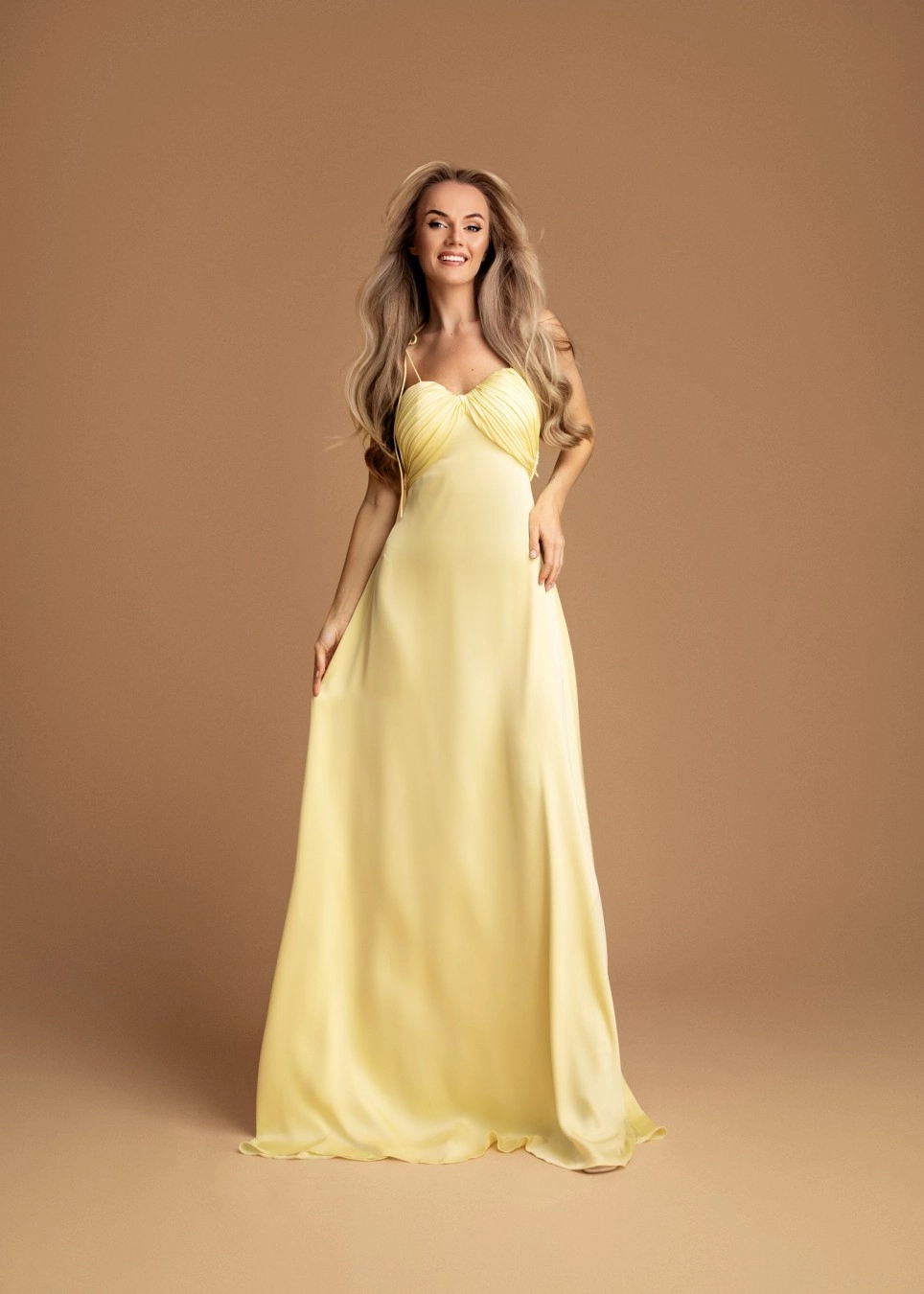
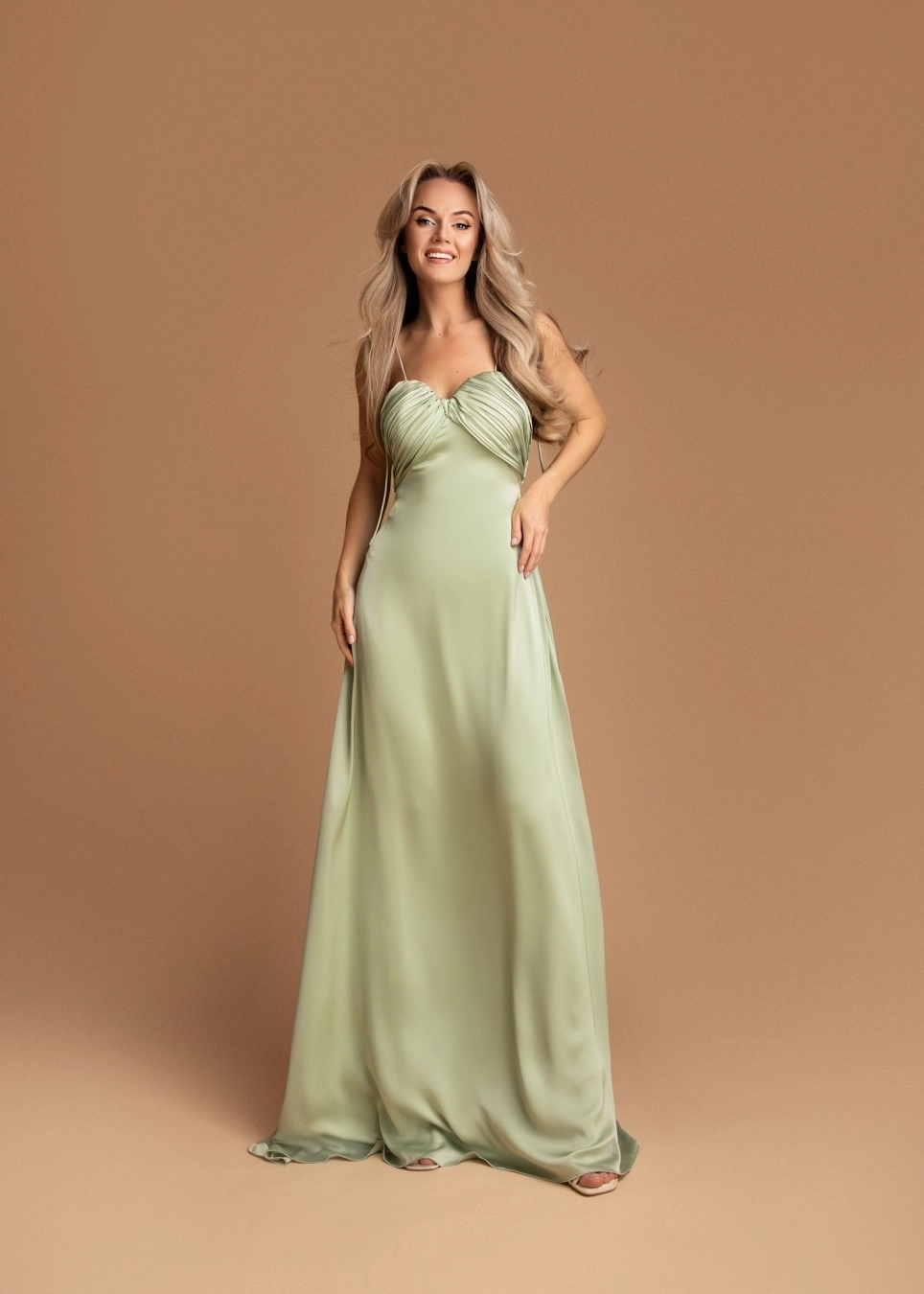
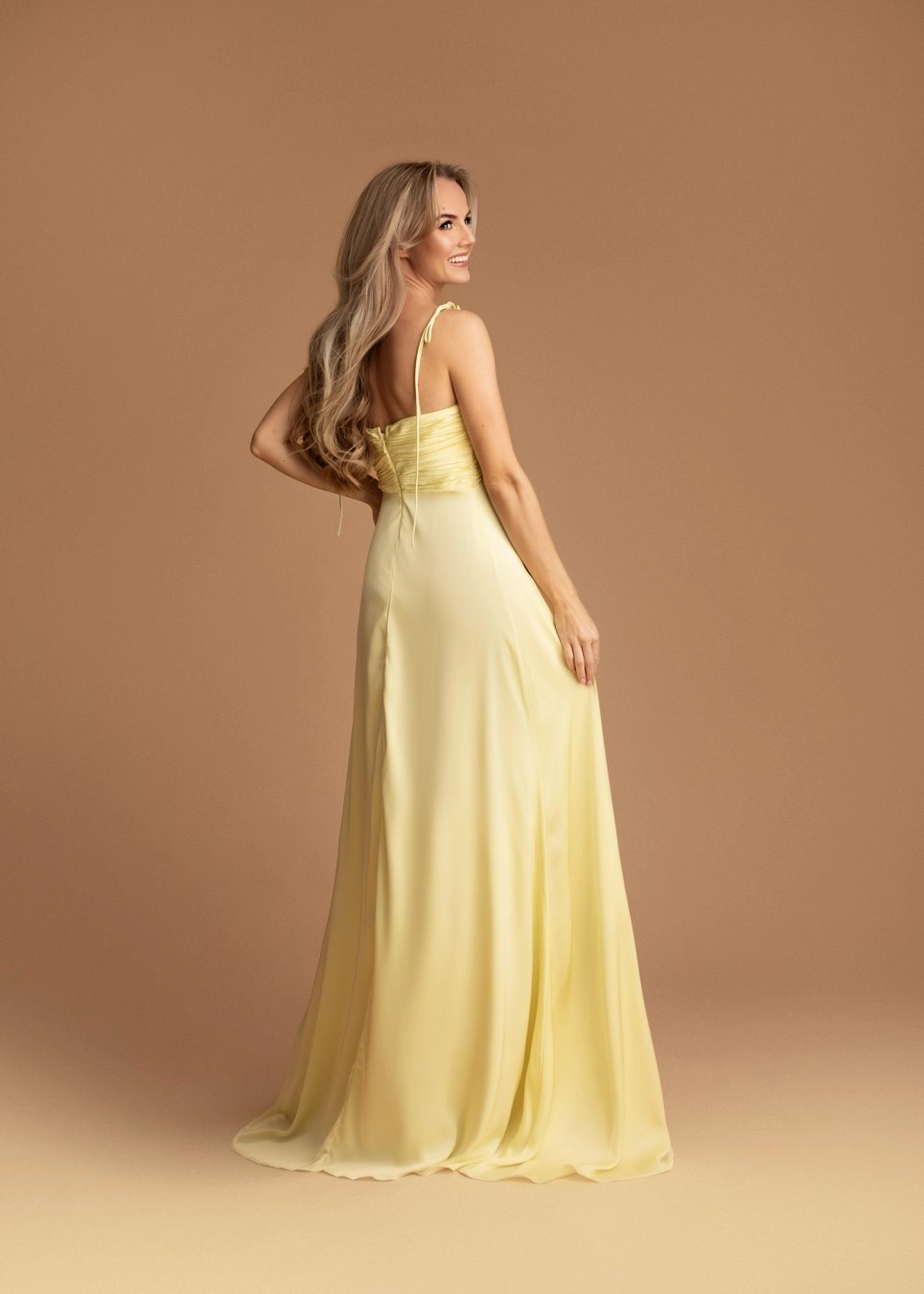
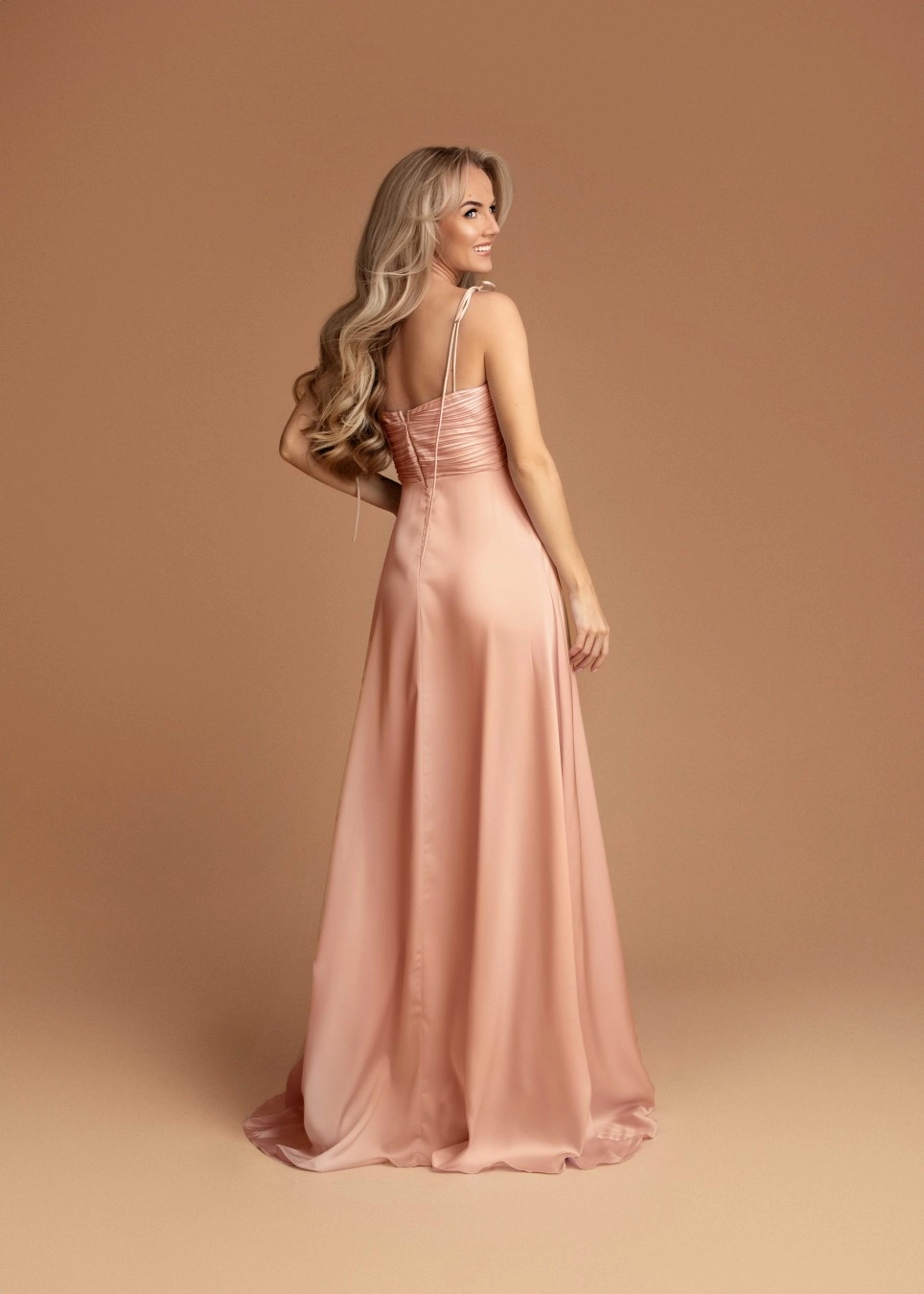
Maxi gown, open back party piece, form fit bodice, boost a sweetheart neckline, is pleated, has enhanced burst-line, thin shoulder straps, for comfort, flattering waistline, swirling skirt

 . Broad style categories, discover form fit strapless maxi dresses, colorful print cocktail wear, from budget price diner dress to elegant floor length dresses for any events, shop with us secure online, latest collection, must have life style fashion accessories products by Eva & Lola, fast delivery, visit us offline, drop shop, registered retailer, provide you affordable tailored service
Maxi party gown
Maxi evening gown, pleated form hug bodice, has sweetheart neckline, enhanced burst-line, supports fine cleavage, has adjustable shoulder straps, open back with zipper in the middle seam, flattering waistline, boost swirling knee length skirt, sleek styled chiffon party piece with soft satin lining, choice of S / M / L
Fit: fit & flair
Material lining: satin
Neckline: sweetheart neckline
Pattern: sleek style
Details: pleated bodice
Sleeve length: sleeveless
Material outer layer: chiffon tulle
Washing instructions: non machine wash, do not tumble dry, dry clean only
Units in box: 1
 Dresses were made snug by featuring slits on the sides of the dress that were pulled tight in order to fit a woman's figure. Starting in the 1550s, middle- and upper-class women in Europe wore dresses which included a smock, stays, kirtle, gown, forepart, sleeves, ruff and a partlet. Undergarments were not worn underneath. In England, Queen Elizabeth dictated what kinds of dresses women were allowed to wear. French women were inspired by Spanish-style bodices and also wore ruffs. French dresses were known as marlottes. In Italy, dresses were known as ropa and semarra. Dresses in the 16th century also displayed surface decoration such as embroidery, with blackwork being especially popular. Women's dresses in Russia during both the 16th and 17th centuries identified a woman's place in society or their family. Holland, as a center of textile production, was a particularly noted area of innovation in dress fashion during the 17th Century. In Spain and Portugal, women wore stomachers while in England and France, dresses became more "naturally" shaped. Lace and slashing were popular decorations. Skirts were full, with regular folds and the overskirt allowed the display of an underskirt of contrasting fabric. Necklines became lower as well. Embroidery that