



Product details
59,00 €
SKU: GN-3001
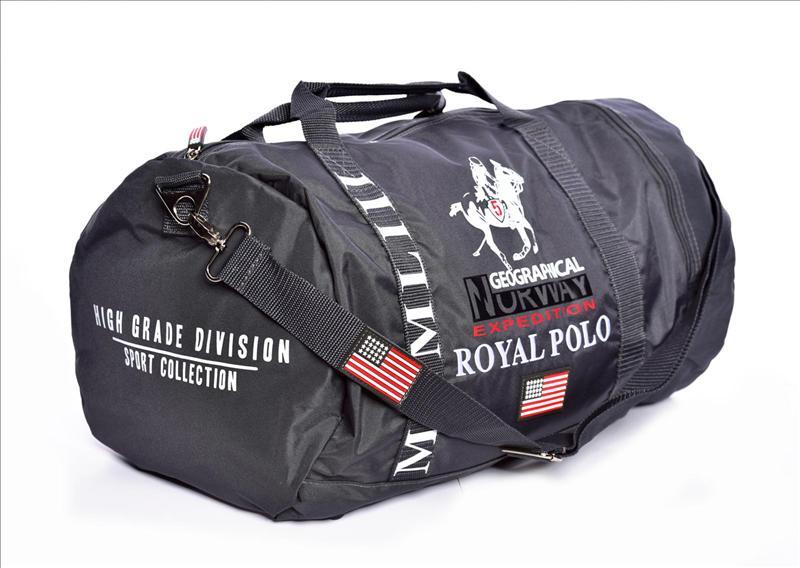
Duffle bag adorned print, sportive with 46 liters space, full lining, includes free long shoulder band, insignia, top zipper closure, inside pockets, available in grey, navy blue


Print duffle bag
Travel bag with handle, spacious travel bag is made of high-quality cotton, suitable storage for a quick midweek or a nice long weekend trip or get away, it is the perfect bag, with its 46 liters you have more than enough capacity for a few days of stuff, inside you will find 1 zipper pocket for extra storage space. Easy use, due to the 2 sturdy handles, comes with a nice shoulder strap so that you can also carry it on the shoulder with ease.
- Suitable for short trips of 4-6 days, capacity is 46 liters
- Spacious main compartment
- Two sturdy handles
- Zipper pocket on the inside
- Includes long shoulder strap
Eenheden in doos: 1
 Dresses were made snug by featuring slits on the sides of the dress that were pulled tight in order to fit a woman's figure. Starting in the 1550s, middle- and upper-class women in Europe wore dresses which included a smock, stays, kirtle, gown, forepart, sleeves, ruff and a partlet. Undergarments were not worn underneath. In England, Queen Elizabeth dictated what kinds of dresses women were allowed to wear. French women were inspired by Spanish-style bodices and also wore ruffs. French dresses were known as marlottes. In Italy, dresses were known as ropa and semarra. Dresses in the 16th century also displayed surface decoration such as embroidery, with blackwork being especially popular. Women's dresses in Russia during both the 16th and 17th centuries identified a woman's place in society or their family. Holland, as a center of textile production, was a particularly noted area of innovation in dress fashion during the 17th Century. In Spain and Portugal, women wore stomachers while in England and France, dresses became more "naturally" shaped. Lace and slashing were popular decorations. Skirts were full, with regular folds and the overskirt allowed the display of an underskirt of contrasting fabric. Necklines became lower as well. Embroidery that reflected