

Product details
150,00 €
SKU: BE-280
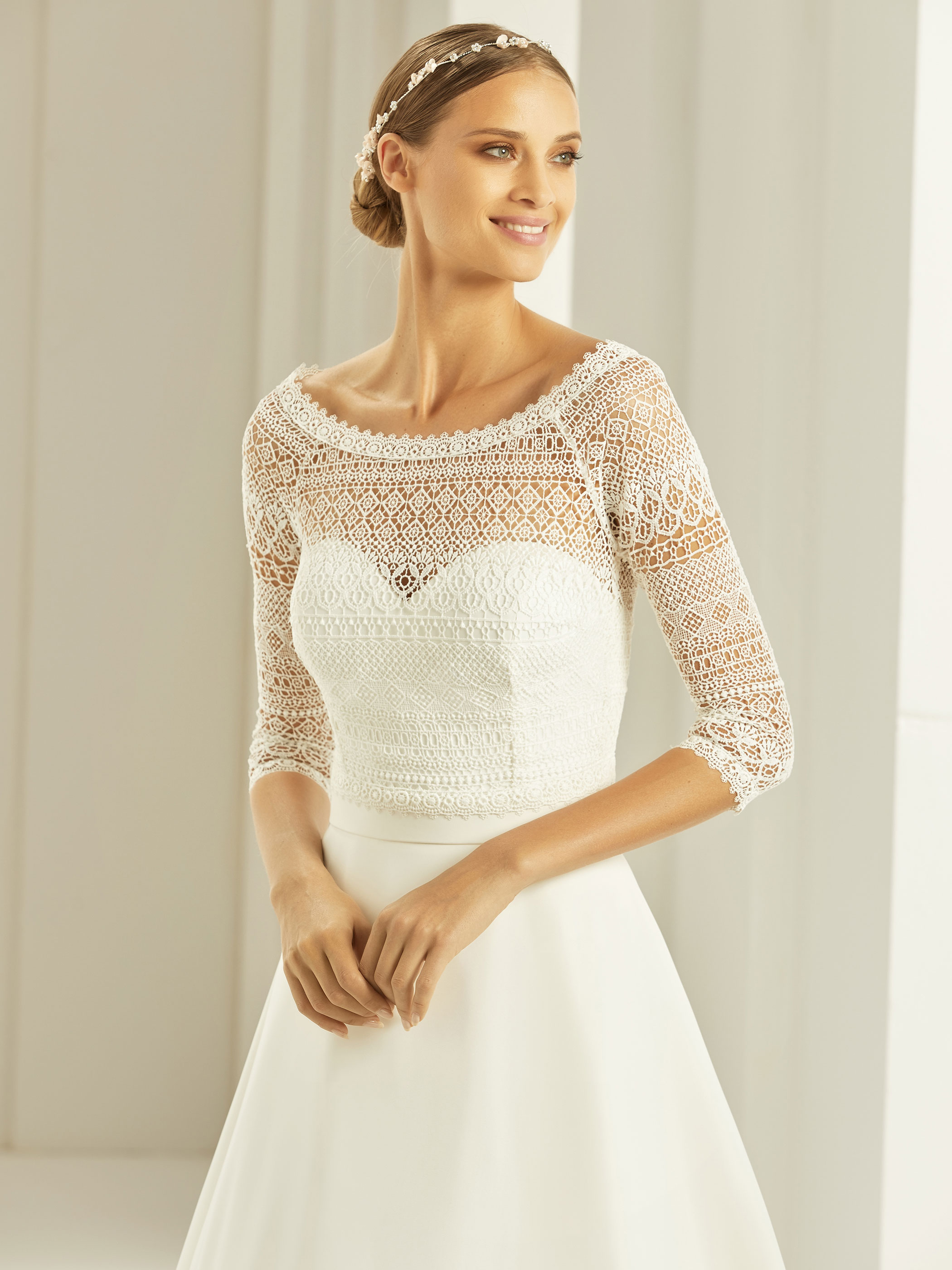
Bolero with floral lace motive, slim fit french lace jacket with three quarter sleeves, de ideal styled fashion, completes your party outfit, tailor made top

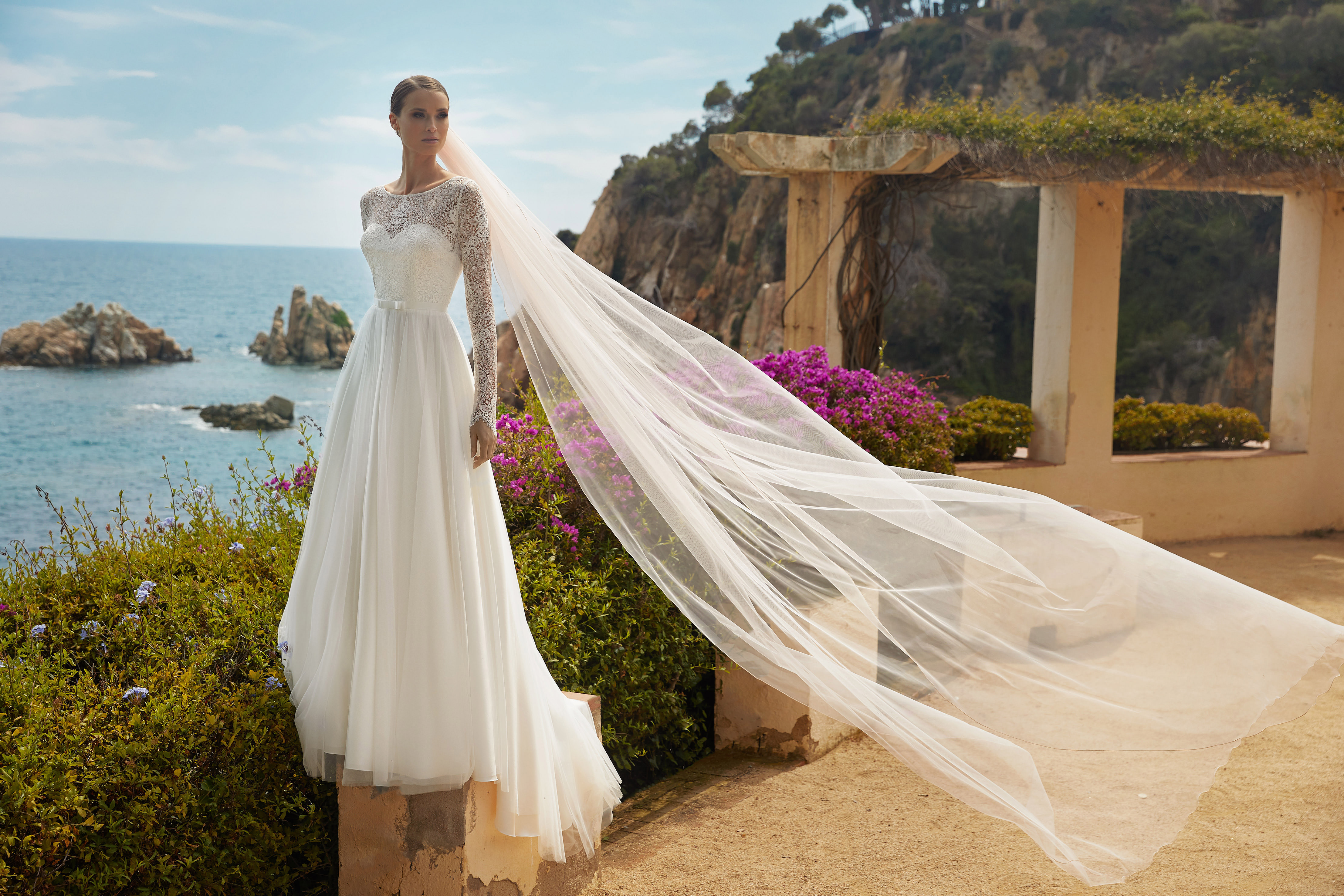 Bianco Evento are EU made fashion products from high quality fabric, top designs includes bridal accessories, beautiful shoes for brides.Range includes from mermaid style lace gown with petticoats, trumpet wedding dresses with back lacing, strapless sheath dresses complete with matching stoles, see through tulle veils, elbow long handgloves, ivory handbags adorned with crystals, custom made bridal attires, world wide renowned fashion label, browse online catalogue trendy bridal products
 Bridal blouse bolero
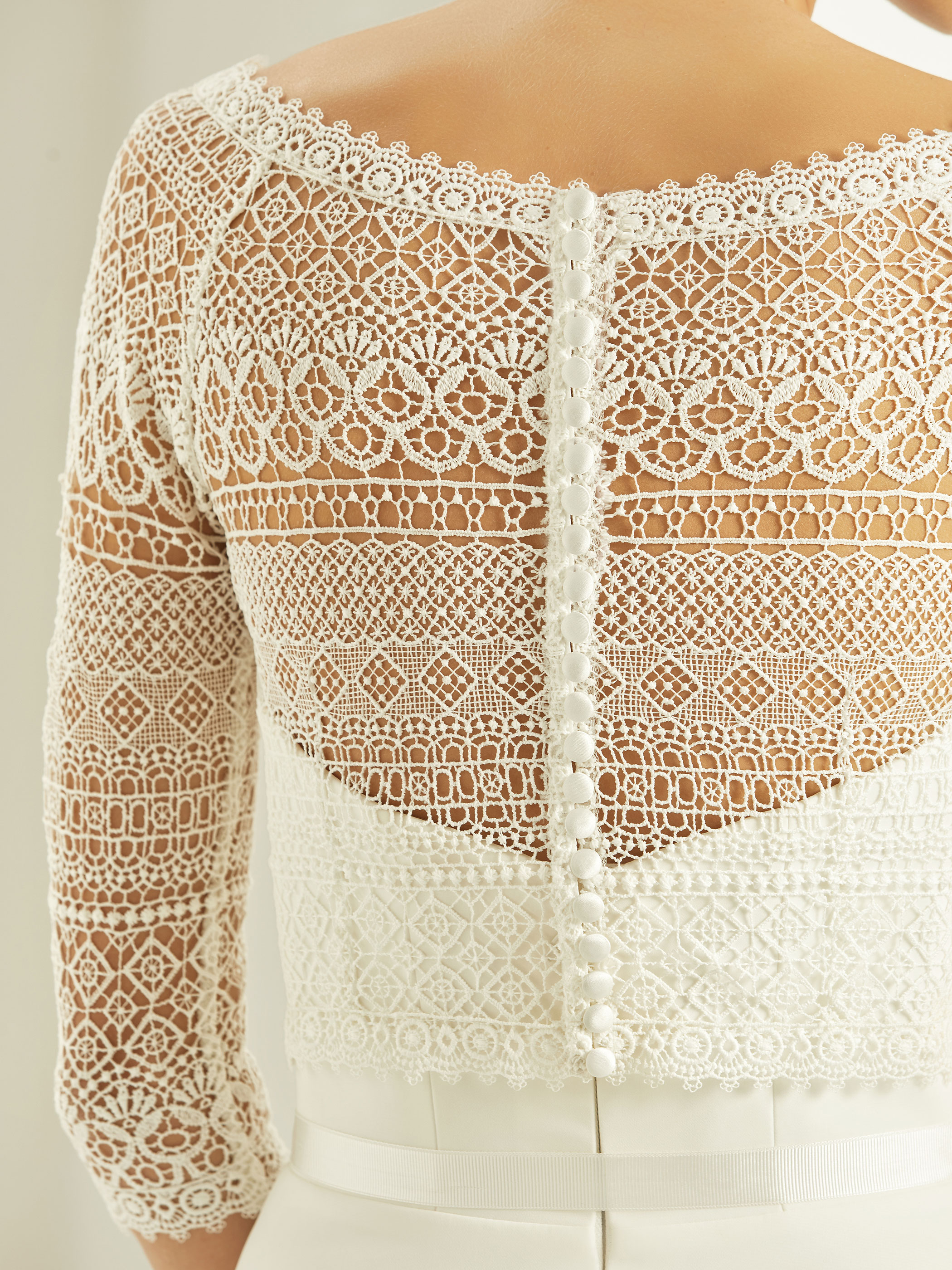
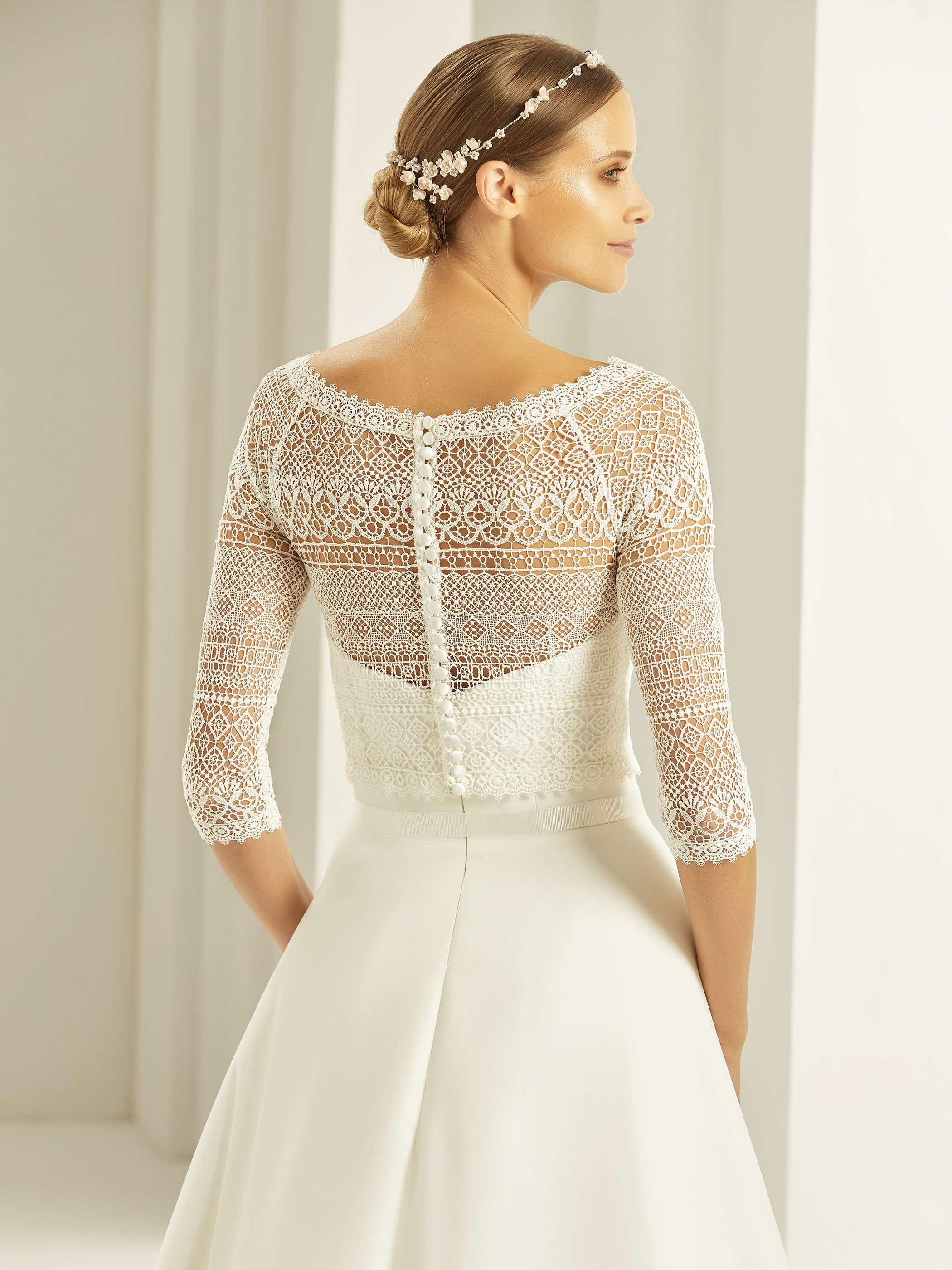
Floral lace blouse bolero, form fit tulle body top with wide round neckline, three quarter sleeves, adorned back buttons closure, designed & tailored to high standard in Europe, gift yourself the style, completes your bridal wear, choice of S / M / L / XL / 2XL
Fit: slim fit
Details: adorned with buttons
Neckline: high covered straight neckline
Material inner layer: no lining
Pattern: blouse bolero
Sleeves length: three quarter sleeves
Material outer layer: tulle embroiled floral lace
Washing instructions: non tumble dry, non machine wash, dry clean
Eenheden in doos: 1
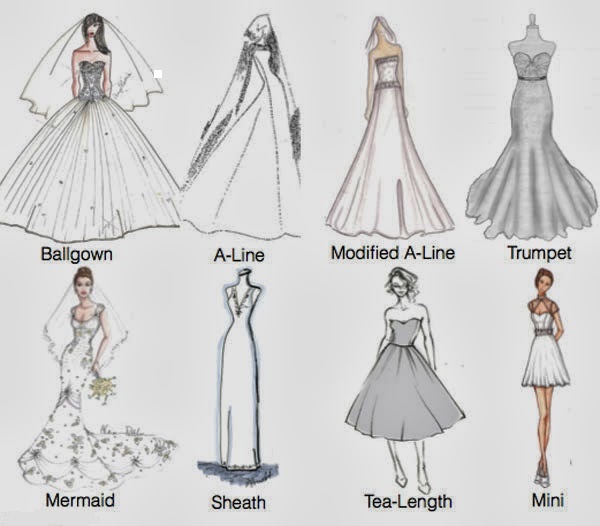 Dresses were made snug by featuring slits on the sides of the dress that were pulled tight in order to fit a woman's figure. Starting in the 1550s, middle- and upper-class women in Europe wore dresses which included a smock, stays, kirtle, gown, forepart, sleeves, ruff and a partlet. Undergarments were not worn underneath. In England, Queen Elizabeth dictated what kinds of dresses women were allowed to wear. French women were inspired by Spanish-style bodices and also wore ruffs. French dresses were known as marlottes. In Italy, dresses were known as ropa and semarra. Dresses in the 16th century also displayed surface decoration such as embroidery, with blackwork being especially popular. Women's dresses in Russia during both the 16th and 17th centuries identified a woman's place in society or their family. Holland, as a center of textile production, was a particularly noted area of innovation in dress fashion during the 17th Century. In Spain and Portugal, women wore stomachers while in England and France, dresses became more "naturally" shaped. Lace and slashing were popular decorations. Skirts were full, with regular folds and the overskirt allowed the display of an underskirt of contrasting fabric. Necklines became lower as well. Embroidery that reflected