

Product details
135,00 €
SKU: PO-90200
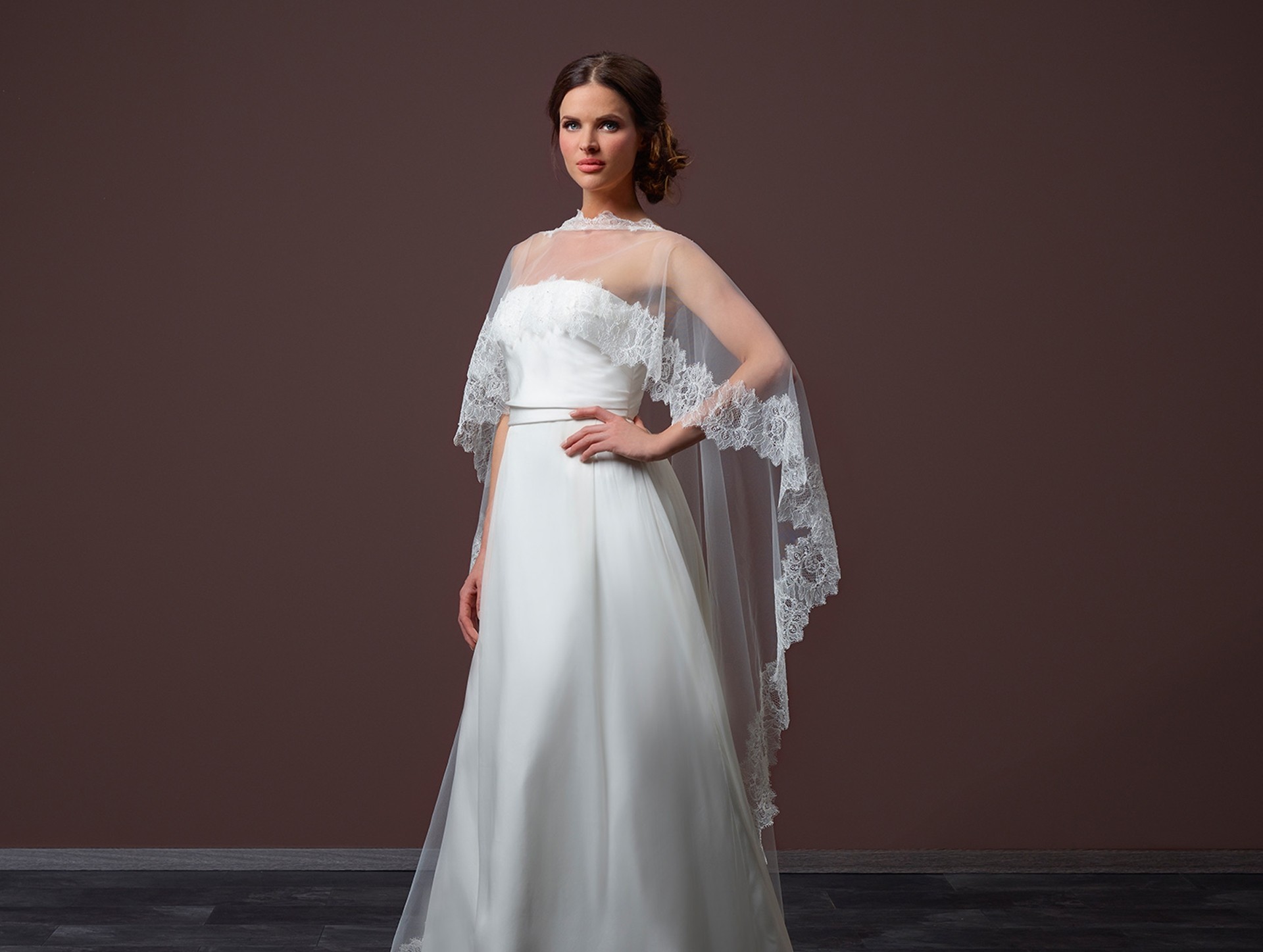
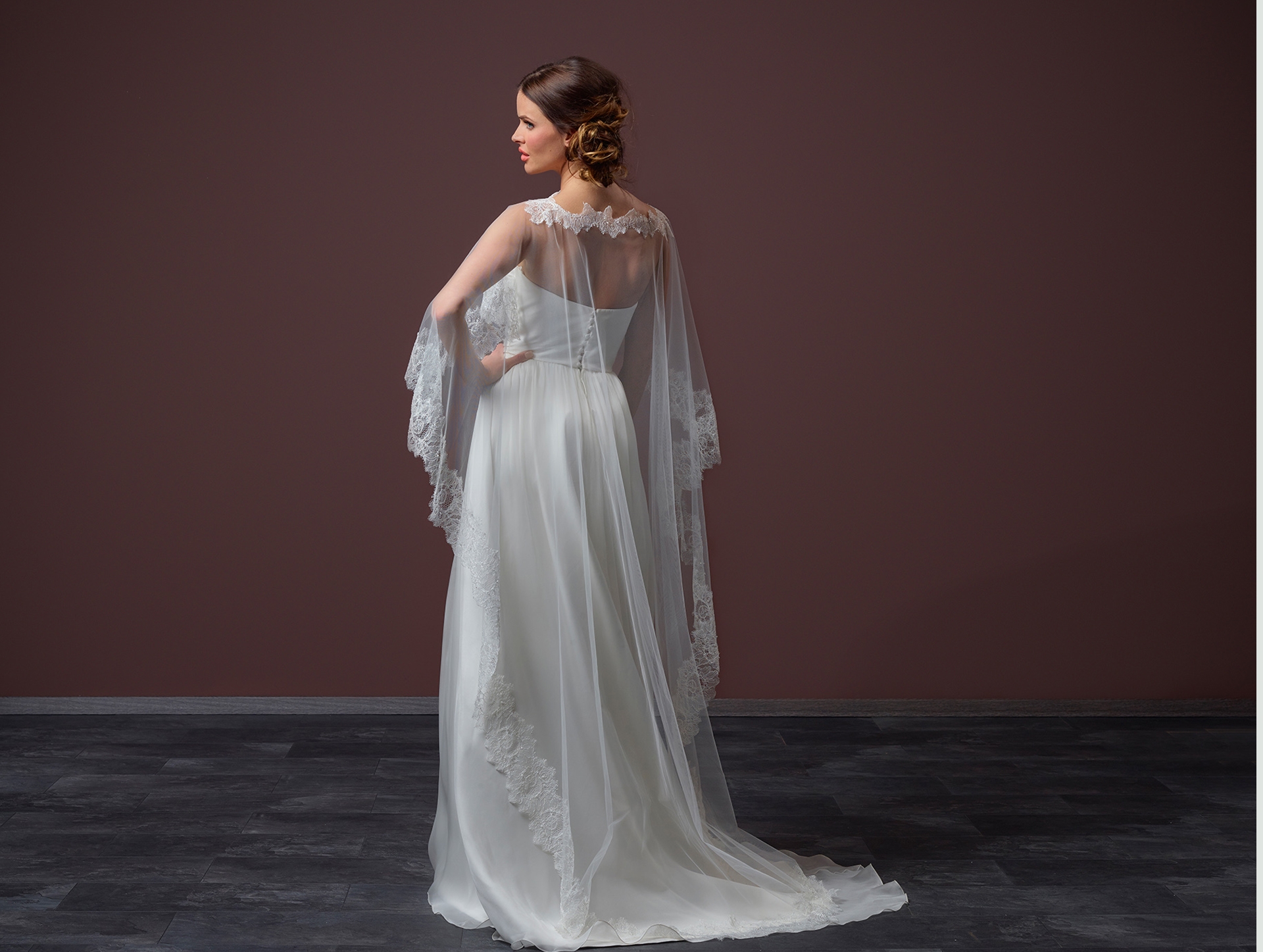
Cape adorned with pearls, long soft tulle with french lace sequins, back length from 170cm, completes your bridal garment, celebrate in style, your dream day

 , discover Dutch designer label, production high ends clothing, underwear, bridal garments, quality lace lingerie, faux fur, strings, bridal gifts, garters, dress covers, night gowns, petticoats from stretch fabric, Poirier is an acclaim European fashion brand synonymous for perfection, Altenagala is registered retailer for Poirier product line online or offline
 Adorned glitters poncho
Bridal cape adorned with sequins, loose fit see through tulle with mix floral lace decorated edge, sleeveless, slip wear with wide round neckline, coveres the cleavage, couture gift fashion for ladies, designed in Maastricht, tailored in the EU, asymmetric with frontal length of 30 cm, back length of 170 cm, choice of L / XL / XXL, completes & enhances your bridal outfits
Fit: loose fit
Material inner layer: no lining
Pattern: asymmetric slip wear
Material outer layer: see through tulle
Units in box: 1
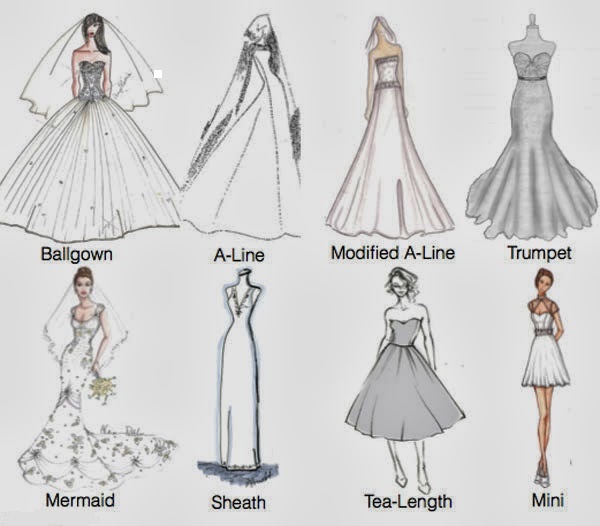 Dresses were made snug by featuring slits on the sides of the dress that were pulled tight in order to fit a woman's figure. Starting in the 1550s, middle- and upper-class women in Europe wore dresses which included a smock, stays, kirtle, gown, forepart, sleeves, ruff and a partlet. Undergarments were not worn underneath. In England, Queen Elizabeth dictated what kinds of dresses women were allowed to wear. French women were inspired by Spanish-style bodices and also wore ruffs. French dresses were known as marlottes. In Italy, dresses were known as ropa and semarra. Dresses in the 16th century also displayed surface decoration such as embroidery, with blackwork being especially popular. Women's dresses in Russia during both the 16th and 17th centuries identified a woman's place in society or their family. Holland, as a center of textile production, was a particularly noted area of innovation in dress fashion during the 17th Century. In Spain and Portugal, women wore stomachers while in England and France, dresses became more "naturally" shaped. Lace and slashing were popular decorations. Skirts were full, with regular folds and the overskirt allowed the display of an underskirt of contrasting fabric. Necklines became lower as well. Embroidery that