
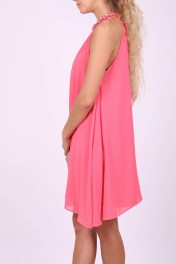
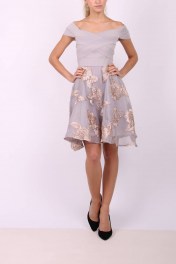
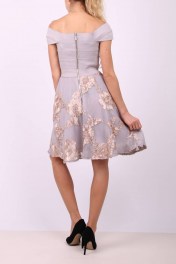
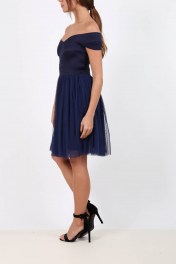



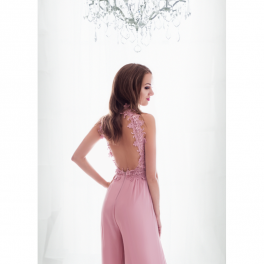
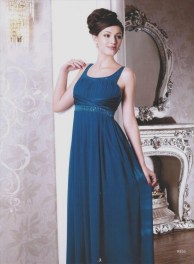
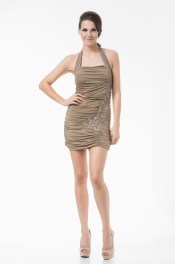
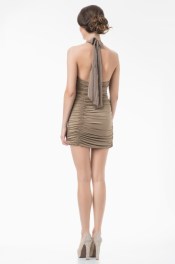
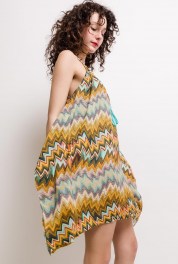
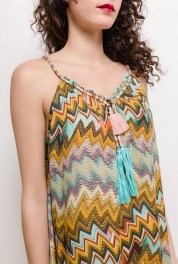
Mode in
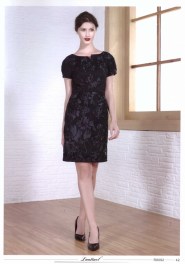
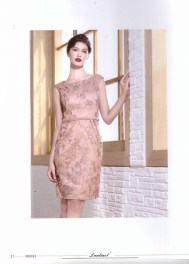
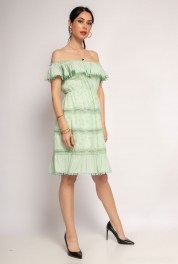
"In de mode zijn" betekent dat een verschijnsel op een bepaald moment aantrekkelijk wordt gevonden. In het bestand verschillende kledingstijlen, lees je informatie over de volgende stijlen. Klassiek stijl- De klassieke stijl staat voor tijdloze elegantie en verfijning....
Bohemien stijl - De bohemien stijl, ook wel boho genoemd, is geïnspireerd door een vrije, creatieve levensstijl....
Casual stijl - casual chic en basic, vrijetijdskleding
Urban stijl - de urban look, chick, street style, rock en grunge,
Trendy stijl – de Cosmopolitan, edgy
Diva – Femme fatale, flamboyant
Creatief stijl – arty en retro stijl. Mode komt niet alleen bij kleding voor. Ook de manier waarop bijvoorbeeld huizen worden gebouwd en ingericht is onderhevig aan mode. In de architectuur wordt dit een stijl genoemd. Een trend is een ontwikkeling van een bepaalde richting op langere termijn. Trends worden vaak aangegeven door mode- of andere ontwerpers, maar kunnen ook voortkomen uit een rage waar ontwerpers dan verder op inhaken. Soms is een maatschappelijke trend, een film of serie aanleiding.
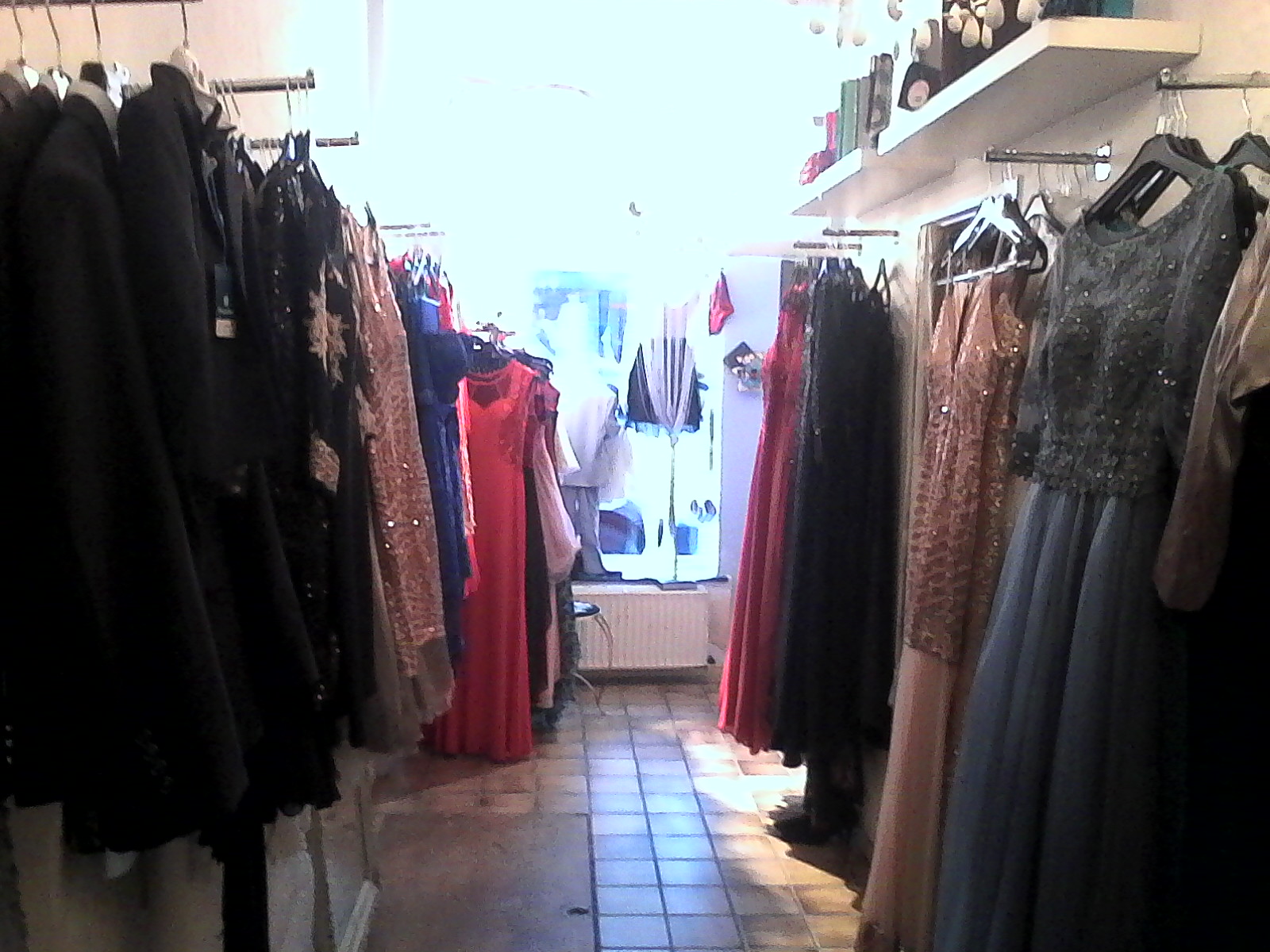
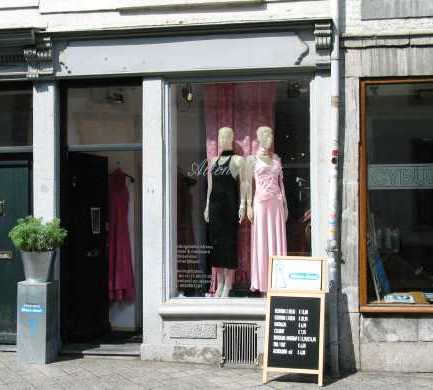
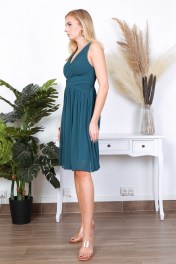
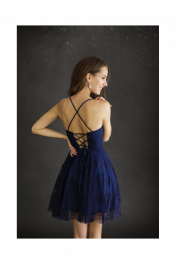
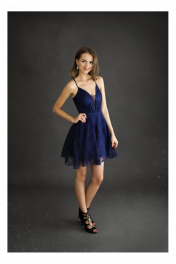
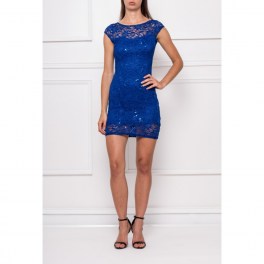
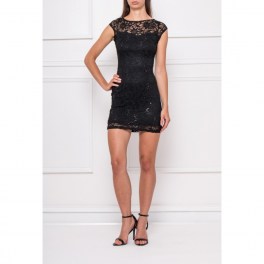
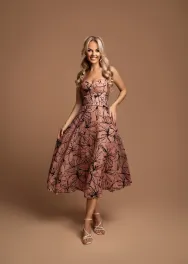
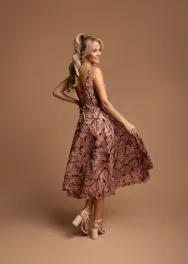
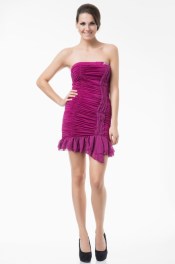
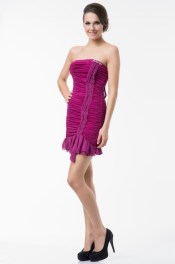
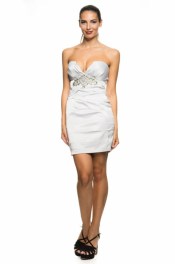
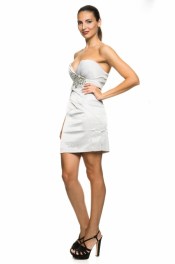
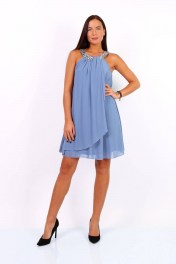
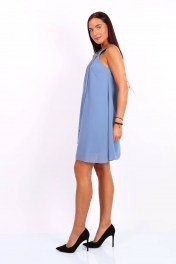
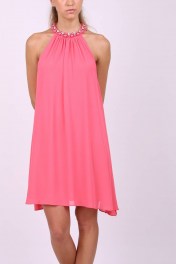
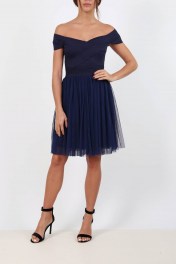
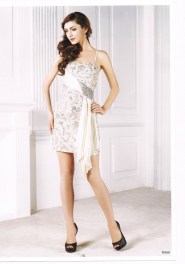
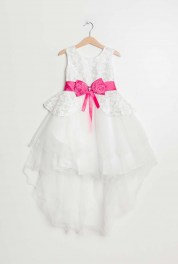
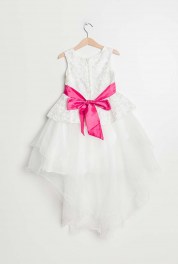
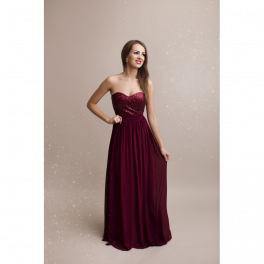
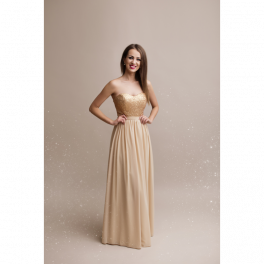
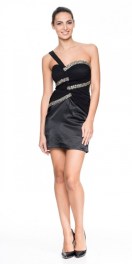
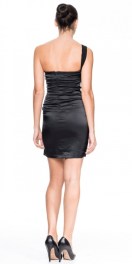
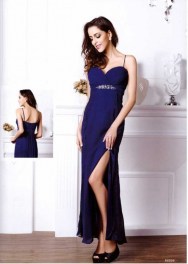
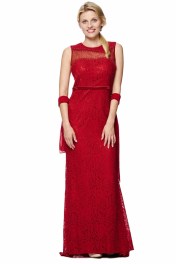
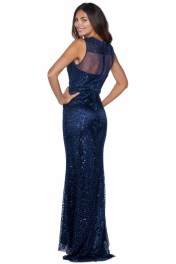
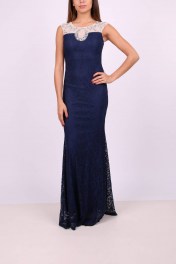
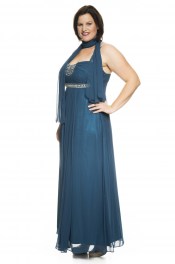
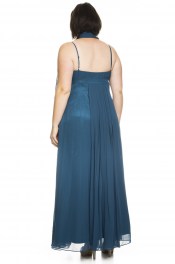
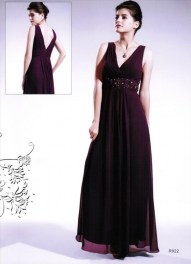
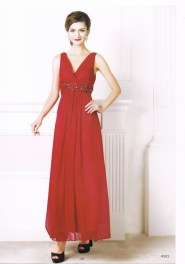
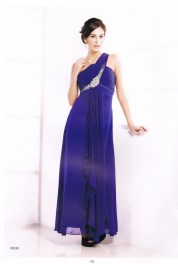
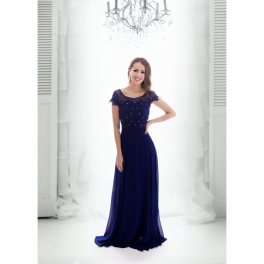
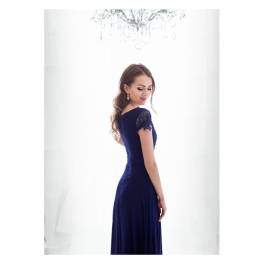
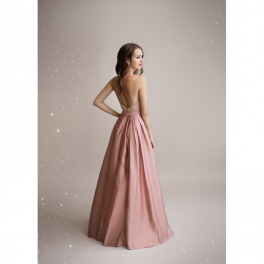
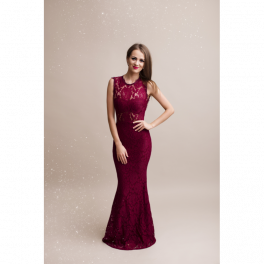
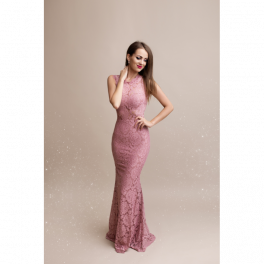
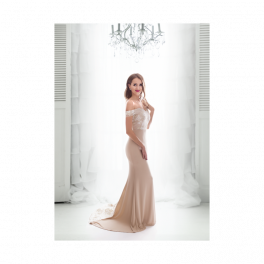
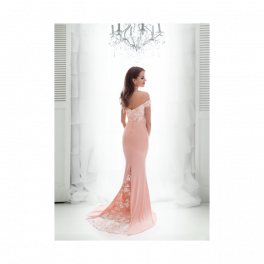
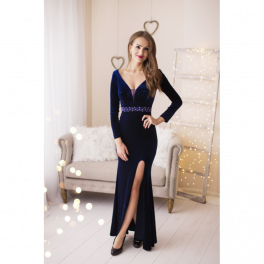
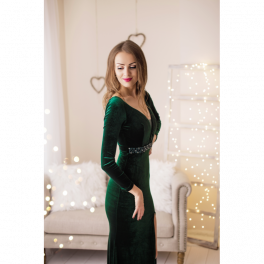
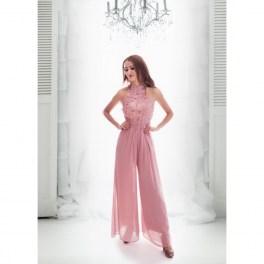
Bij altenagala bieden wij premium mode met bijpassende accessoires, transformeren alledaagse look naar sprankelende feestoutfit, ontdekt prachtige damesmode, met brede stijl collectie, feestelijke jurken, perfect bij bruiloft of avondfeest, prima passend jurken voor de schoolgala of bedrijfsfeest, keuze van maten, wij hebben...