


Product details
85,00 €
SKU: CH-8816
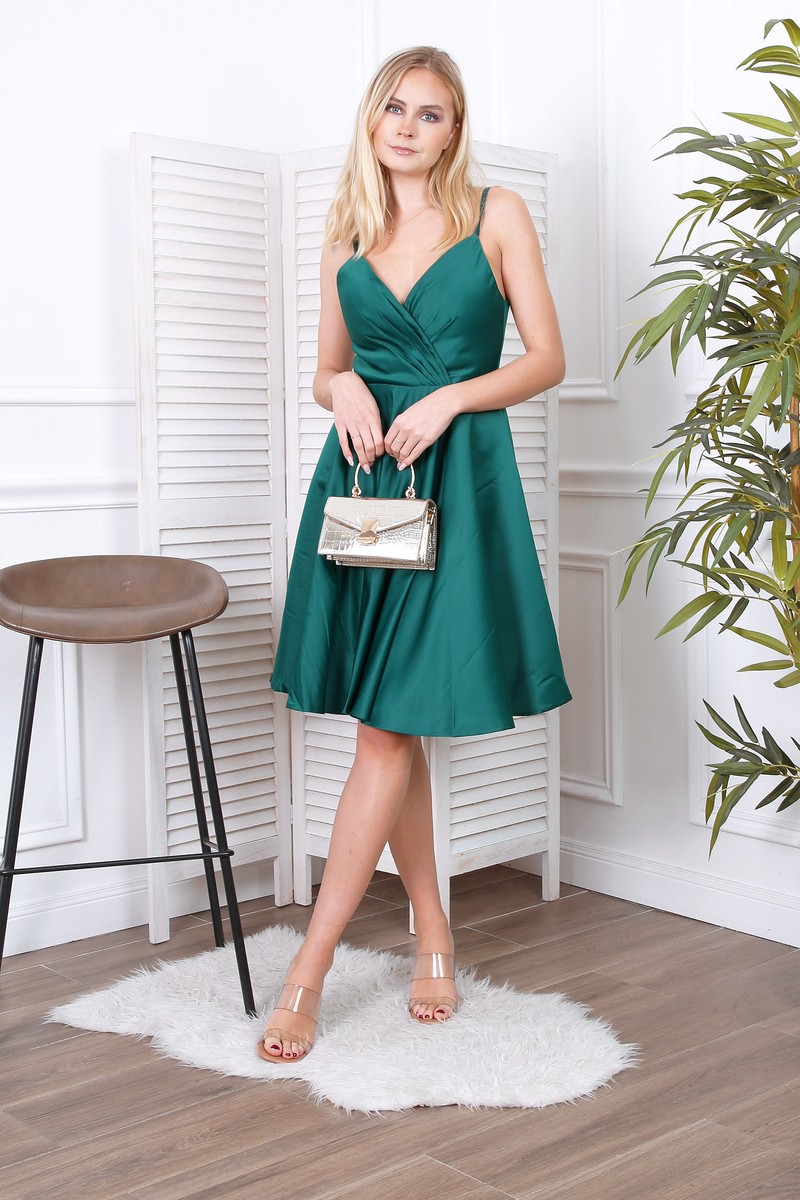
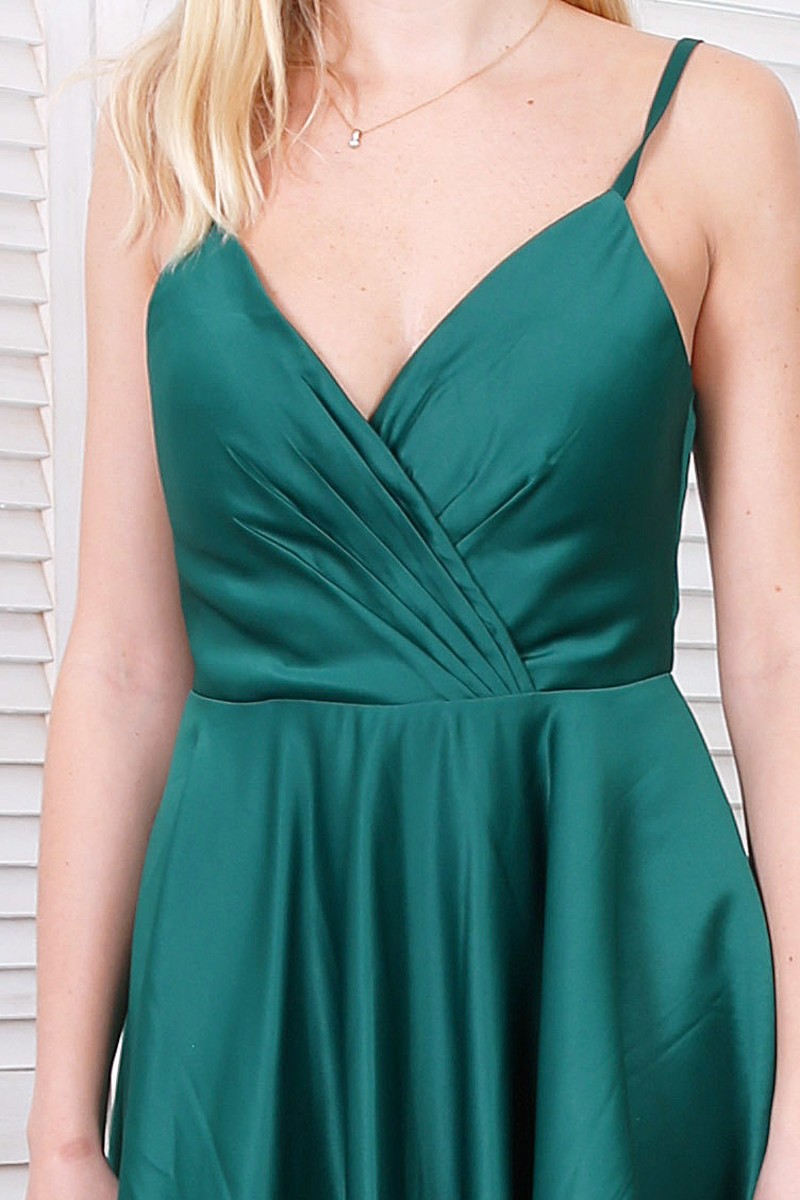
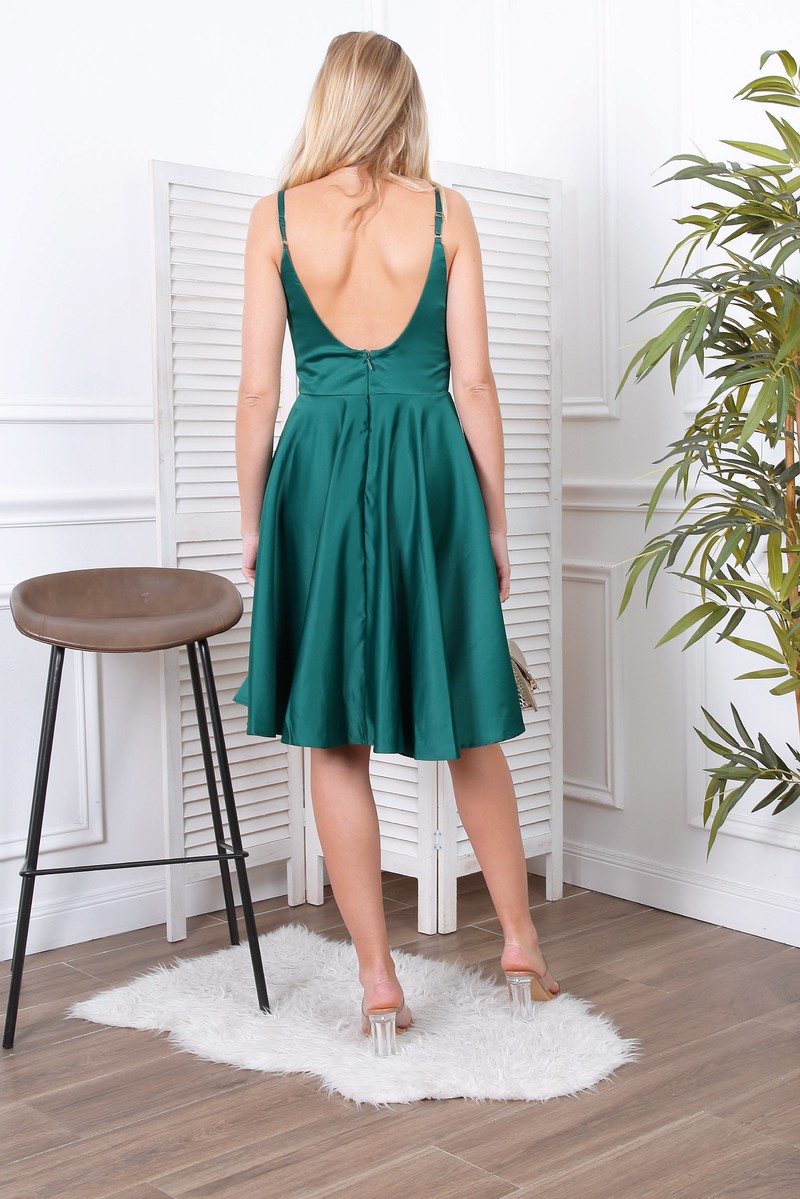
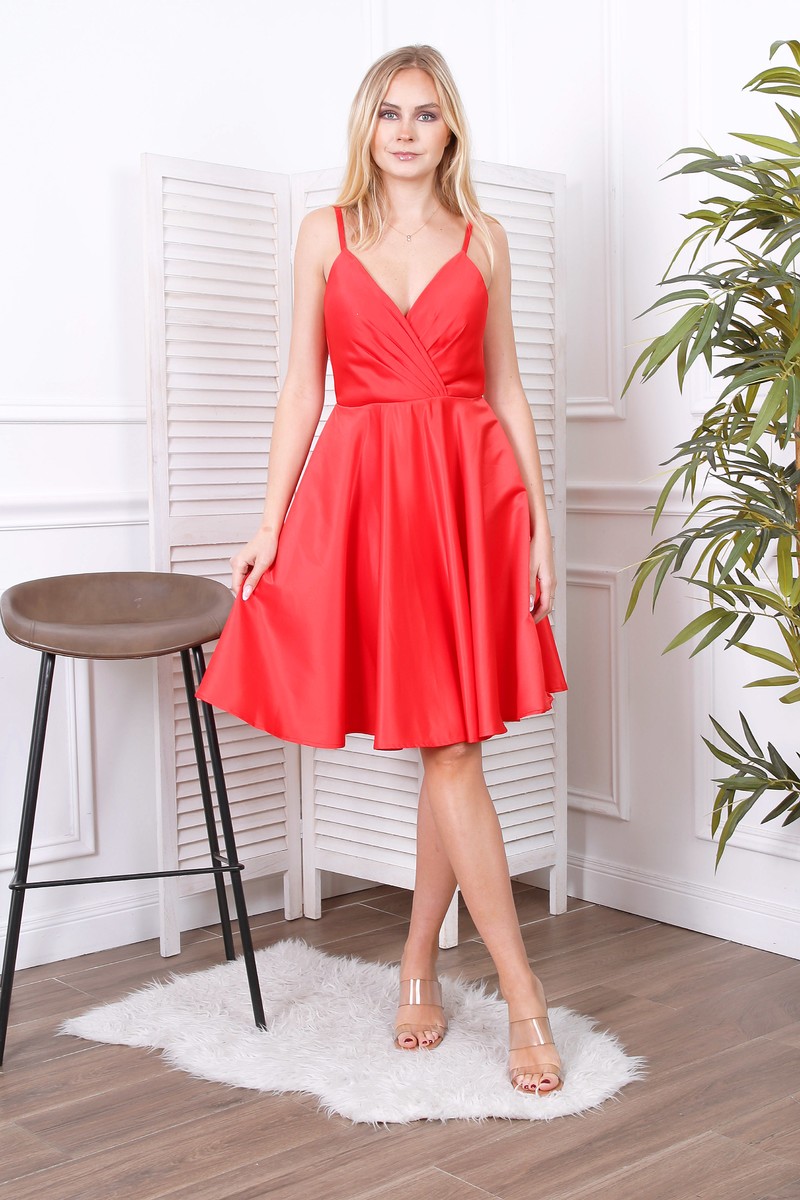
Cocktailjurkje met dunne satijn ceintuur, aansluitende top met V-hals, open rug met schouderbandjes en toont mooi decolleté, hoge taille en wijde uitlopende rokje, couture mode passende bij elke speciale gelegenheid

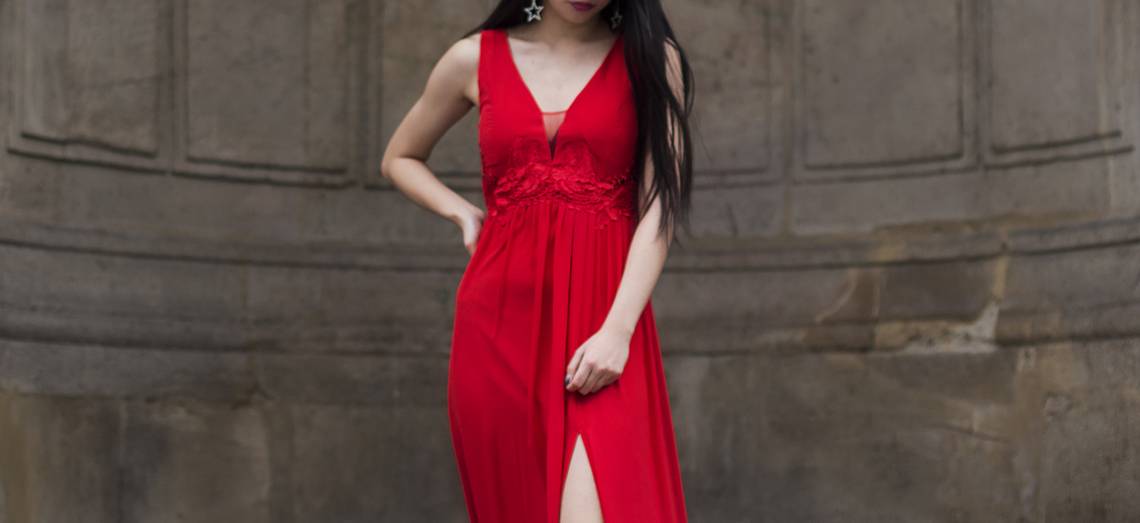 . Ontdek stijlvolle uitgaanskleedjes in heldere kleuren, vind bij themafeest de ideale kledingstuk de passend bij je uitstraling, bekijk bij ons online van elegante jurken voor een familie feestje of verlovingen-ceremonie, brede modellen galakledij bruiloft, collectie van strapless maxi jurken, halter of japonnen met mouw, exclusieve suitekleding versierd met parels, categorie is inclusief trendy avondkledij, zorgvuldig gemaakt voor goede pasvorm, cocktailkledij met bloemen of fantasie print motieven, bij ons laatste trend schoolgala jurkjes bestellen, bezoek online of komen langst passen
Cocktailjurkje met ceintuur
Cocktailjurkje met ceintuur, nauwsluitende lijfje met V-hals, verstevigde borstlijn dat zorgt voor een mooi decolleté, open rug, heeft ritssluiting in de middelnaad, heeft schouderbandjes, hoge geplooide taille versierd met dunne ceintuur, wijd uitlopende rokje, midi lengte feestelijke jurkje met zacht satijn voering, keuze van S / M / L
Pasvorm: goede pasvorm
Materiaal binnenlaag: satijn voering
Halslijn: V-hals
Patroon: midi lengte jurkje
Details: versierd met satijn
Mouwlengte: zonder mouwtjes
Materiaal buitenlaag: glanssatijn
Wasvoorschriften: niet geschikt voor de wasmachine of droger, chemische reiniging
Eenheden in doosje 1
 Dresses were made snug by featuring slits on the sides of the dress that were pulled tight in order to fit a woman's figure. Starting in the 1550s, middle- and upper-class women in Europe wore dresses which included a smock, stays, kirtle, gown, forepart, sleeves, ruff and a partlet. Undergarments were not worn underneath. In England, Queen Elizabeth dictated what kinds of dresses women were allowed to wear. French women were inspired by Spanish-style bodices and also wore ruffs. French dresses were known as marlottes. In Italy, dresses were known as ropa and semarra. Dresses in the 16th century also displayed surface decoration such as embroidery, with blackwork being especially popular. Women's dresses in Russia during both the 16th and 17th centuries identified a woman's place in society or their family. Holland, as a center of textile production, was a particularly noted area of innovation in dress fashion during the 17th Century. In Spain and Portugal, women wore stomachers while in England and France, dresses became more "naturally" shaped. Lace and slashing were popular decorations. Skirts were full, with regular folds and the overskirt allowed the display of an underskirt of contrasting fabric. Necklines became lower as well. Embroidery that