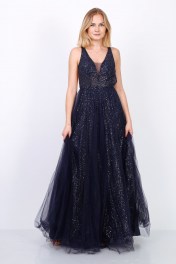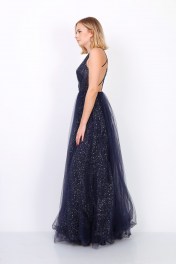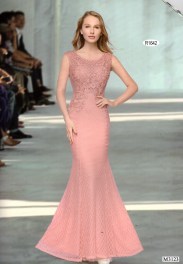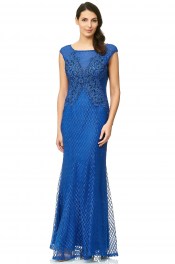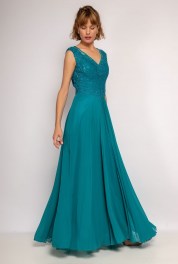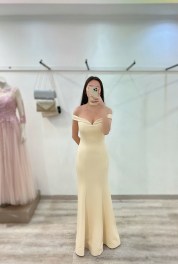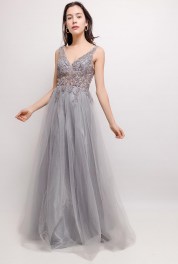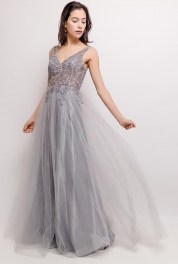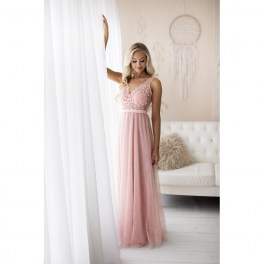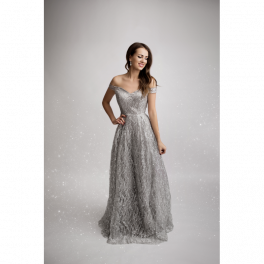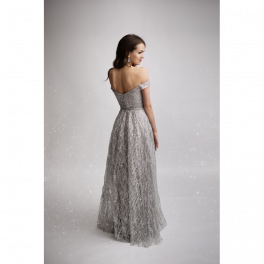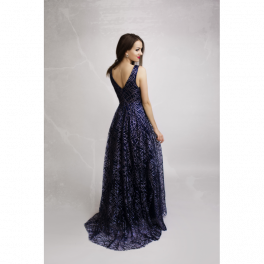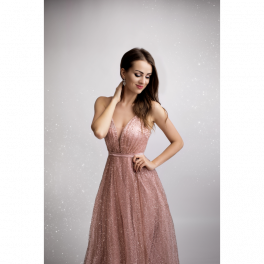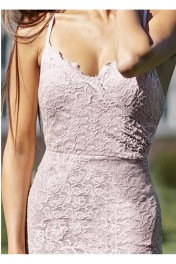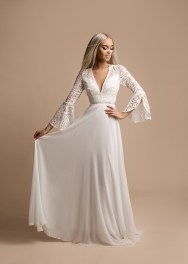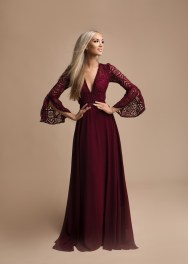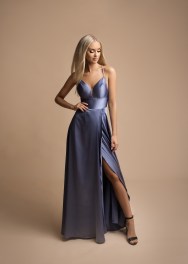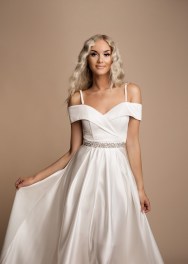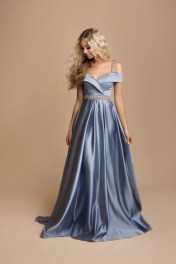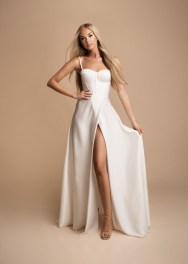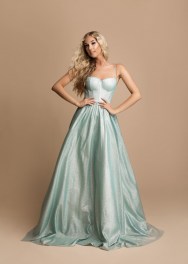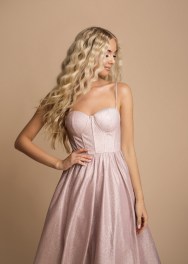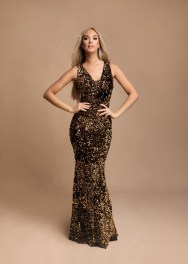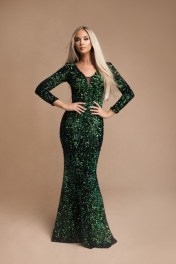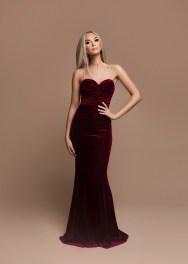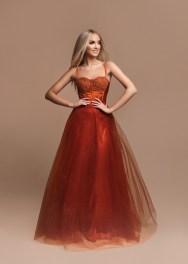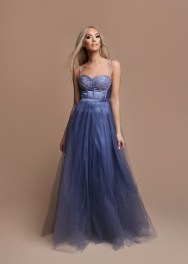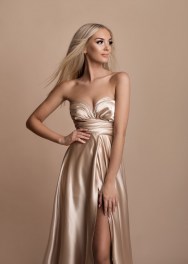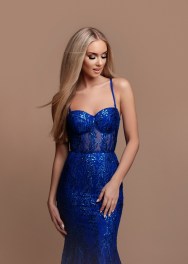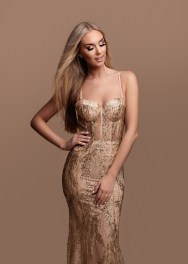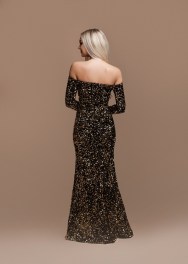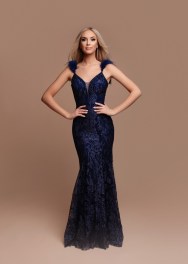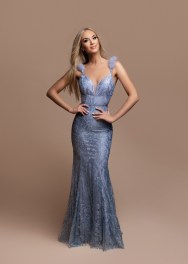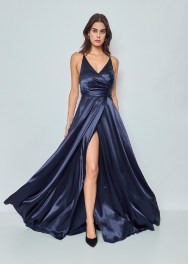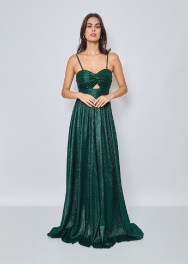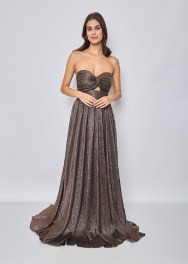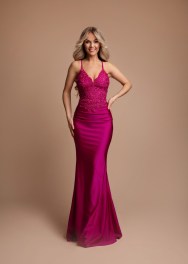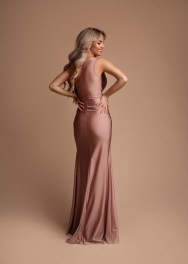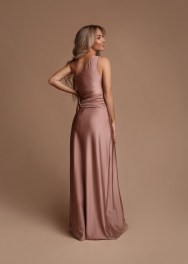


Dress garment
Dresses are outer garments made up of a bodice and a skirt and can be made in one or more pieces. Dresses are generally suitable for both casual and formal wear in the West for women and girls. In the 11th century, women in Europe wore dresses that were similar to men's tunics and were loose, with a hemline reaching to below the knees or lower. By the end of the century, these dresses featured a tighter fit on the arms and women's upper bodies. Dresses were made snug by featuring slits on the sides of the dress that were pulled tight in order to fit a woman's figure. Starting in the 1550s, middle- and upper-class women in Europe wore dresses which included a smock, stays, kirtle, gown, forepart, sleeves, ruff and a partlet. Undergarments were not worn underneath. In England, Queen Elizabeth dictated what kinds of dresses women were allowed to wear. French women were inspired by Spanish-style bodices and also wore ruffs. French dresses were...